 blog
blog
Best Medical Spa for Botox: Safety, Pricing & Injectables
Table of Contents
- What Makes the Best Medical Spa for Botox
- How to Choose a Botox Injector: Credentials and Experience
- Botox vs Xeomin vs Dysport: What's the Difference
- Medical Spa Safety Standards in Texas: What You Need to Know
- Botox Unit Pricing Explained: Why Flat-Rate Matters
- What to Expect: Your First Botox Appointment
- Beyond Wrinkles: Botox for Jaw Tension and Sweating
- Conclusion
- Frequently Asked Questions
Last Updated: September 25, 2026
What Makes the Best Medical Spa for Botox
Finding the right medical spa for Botox comes down to three things: the credentials of the injector, transparent pricing, and a safe clinical environment.
How to Choose a Botox Injector: Credentials and Experience
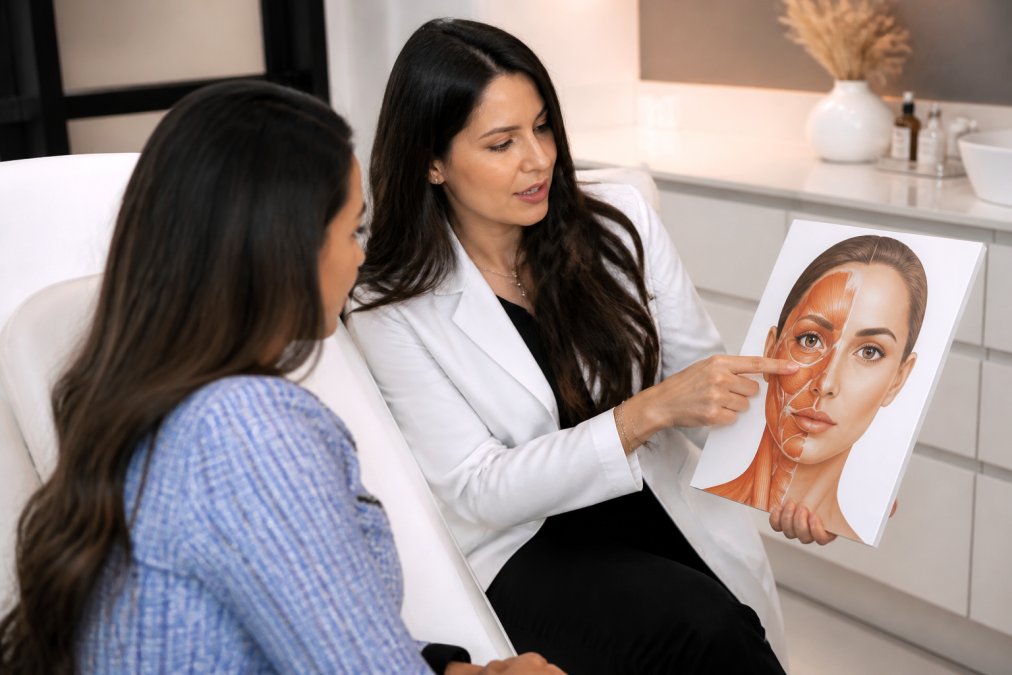
Your injector's qualifications are non-negotiable. You want someone who understands facial anatomy, knows how neurotoxins work, and has extensive hands-on experience.
Botox vs Xeomin vs Dysport: What's the Difference
All three are neurotoxins that relax facial muscles to smooth wrinkles, but they're not identical. Understanding the differences helps you choose the right option.
Medical Spa Safety Standards in Texas: What You Need to Know
Safety depends on proper licensing, sterile technique, and honest communication about risks. Know what to look for when evaluating a facility.
Patient Safety Checklist: What to Verify Before Your First Appointment
Use this checklist when evaluating a medical spa. If any item is unclear or the facility can't provide documentation, that's a red flag.
Licensing and Credentials:
- Supervising physician is named and their license is current (verify on the relevant state medical board website)
- All injectors are licensed medical professionals (RN, NP, PA, or MD/DO)
- Injectors can provide proof of formal training in facial anatomy and injection technique
- Facility holds appropriate state and local permits for medical spa operations
Clinical Environment:
- Treatment rooms are visibly clean, organized, and professional
- Single-use, sterile needles are opened in front of you before injection
- Injection site is cleansed with an appropriate antiseptic (chlorhexidine or alcohol-based)
- Gloves are changed between patients and between different areas of the same patient's face
- No visible clutter, expired products, or unprofessional conditions
Medical History and Screening:
- You complete a detailed medical history form before treatment
- The injector reviews your form and asks follow-up questions about medications, allergies, and previous reactions
- You're asked about pregnancy status, neuromuscular disorders, or bleeding disorders
- The injector explains contraindications specific to your medical history
Informed Consent and Risk Discussion:
- You receive written information about potential side effects and complications
- The injector verbally explains common temporary effects (bruising, swelling, redness) and rare serious complications (drooping eyelid, asymmetry, allergic reaction)
- You're told what to do if a complication occurs and how to reach the facility after hours
- You sign an informed consent form that you keep a copy of
Pricing Transparency:
- Pricing is quoted in writing before treatment begins
- You understand whether pricing is per-unit, per-area, or flat-rate
- No surprise charges or upsells after the procedure
- Refund or touch-up policy is documented in writing
Emergency Preparedness:
- The facility has emergency medications on hand (epinephrine for allergic reaction)
- Staff are trained in basic first aid and emergency response
- The supervising physician is immediately available or on-call during treatment hours
- You know how to reach the facility in case of complications after you leave
Common Safety Misconceptions
Misconception: "If the facility is clean-looking, it's safe." Cleanliness is necessary but not sufficient. Critical standards like sterile needle handling, medical history review, and emergency preparedness happen behind closed doors.
What Happens If Something Goes Wrong
A reputable medical spa has a protocol for complications. Ask about this directly:
- How does the facility handle bruising or swelling that doesn't resolve as expected?
- What's the process if you experience drooping or asymmetry?
- Can you reach the injector or supervising physician if you have concerns after you leave?
- Does the facility offer free touch-ups or corrections if results are unsatisfactory?
The best medical spas stand behind their work. If something doesn't look right, they'll address it without additional cost. This confidence comes from consistent, high-quality technique, not from hoping nothing goes wrong.
Botox Unit Pricing Explained: Why Flat-Rate Matters
Most medical spas charge per unit of Botox (e.g., "$12 per unit"). The problem: you don't know how many units you'll need until after evaluation, creating uncertainty about final cost. (Source: American Society of Plastic Surgeons' 2023 statistics)
What to Expect: Your First Botox Appointment
Your first appointment includes consultation, assessment, treatment, and aftercare. Understanding what happens after you leave and when to expect results is essential.
Before Your Appointment
Arrive early to complete your medical history form. Be honest about medications and previous treatments. If on blood thinners, consider stopping 3-5 days before (consult your doctor). Avoid alcohol 24 hours before treatment.
During Your Appointment (30-45 minutes total)
Consultation (10-15 minutes) Your injector asks about your goals (prevention vs. softening, subtle vs. noticeable), areas of concern, medical history, previous reactions, and expectations.
Day-by-Day Recovery Timeline
Immediately after treatment (0-4 hours)
- Mild redness and small bumps fade within 30 minutes to 2 hours
- Avoid touching, rubbing, or massaging injection sites for 4 hours to prevent product migration
- Don't lie down or bend over for 4 hours
- Skip hot showers, saunas, or intense heat for 24 hours
Day 1
- Redness and swelling should be minimal; mild bruising may appear
- Avoid strenuous exercise and heavy lifting
- Resume normal daily activities: work, light walking, regular showers
- Ice packs (15 minutes on/off) can reduce bruising
Days 2-3
- Bruising is most visible now but temporary
- Subtle muscle changes begin; full results not yet visible
- Avoid intense exercise and heat
- Mild headache may occur and typically resolves on its own
Days 4-7
- Bruising fades significantly
- Subtle changes in expression appear; wrinkles begin to soften
- Resume all normal activities
- Results continue improving but haven't peaked
Days 8-14
- Results peak around day 10-14
- Wrinkles are noticeably softer with natural expression
- Schedule touch-ups within 2 weeks if adjustments needed
Weeks 3-4
- Results are stable and fully visible
- Free touch-up window has closed; adjustments available for a fee
- Results gradually soften over the next 2-3 months
Months 2-3
- Results remain strong but soften slightly
- Most schedule their next appointment around 3 months
- Duration varies: some see 3.5-4 months, others 2.5-3 months
What's Normal vs. What's Not
Normal side effects:
- Mild bruising, swelling, tenderness, or ache
- Slight asymmetry in first few days
- Mild headache in first 24-48 hours
- Temporary redness or small bumps
Concerning symptoms (contact your injector):
- Severe bruising or swelling worsening after 48 hours
- Drooping eyelid or eyebrow after day 3
- Asymmetry persisting beyond day 7
- Allergic reaction symptoms: hives, difficulty breathing, severe swelling
- Severe headache unresponsive to over-the-counter pain relief
- Numbness or tingling spreading beyond injection area
Most are rare. Mild bruising and swelling are most common and resolve on their own. Contact your medical spa immediately for concerning symptoms.
Managing Expectations for First-Timers
Botox is not a dramatic transformation. The goal is to soften wrinkles while maintaining natural expression. You should still raise eyebrows, frown, and show emotion, just with fewer wrinkles.
Beyond Wrinkles: Botox for Jaw Tension and Sweating
Botox treats medical conditions beyond cosmetic wrinkle reduction, including chronic jaw tension and excessive sweating.
Conclusion
The best medical spa for Botox combines qualified injectors, transparent pricing, and genuine commitment to safety and natural-looking results. Your consultation should feel like a conversation, not a sales pitch.
Frequently Asked Questions
What qualifications should a Botox injector have?
A qualified Botox injector should be a licensed medical professional, a physician, nurse practitioner, or physician assistant, with specific training in facial anatomy and injection technique. Ask for credentials and experience. Verify that the injector's license is active through the relevant state medical board or board of nursing. A reputable medical spa will display credentials openly and explain their training during your consultation.
What is the difference between Botox, Xeomin, and Dysport?
All three are neurotoxin injectables that work similarly to reduce wrinkles, but they differ slightly. Botox is a well-established brand. Xeomin is a formulation with no added proteins. Dysport spreads slightly more, which some injectors find useful for larger areas. Results and longevity are comparable, typically lasting a few months. Your injector will recommend the best option based on your facial anatomy and aesthetic goals.
How does flat-rate Botox pricing work compared to per-unit pricing?
Per-unit pricing charges you based on how many units of product the injector uses, which can make costs unpredictable. Flat-rate pricing sets one price for a treatment area (forehead, crow's feet, etc.), regardless of units needed. This removes the guesswork and protects you from surprise charges if your face requires more product than initially quoted. Flat-rate models are especially valuable for first-timers who don't know how many units they'll need.
Are medical spas safe for Botox injections?
Yes, when they meet safety standards and employ qualified injectors. Medical spas are typically physician-supervised and follow hygiene protocols. Safety depends on the injector's credentials, the clinic's cleanliness, use of authentic product, and a thorough consultation that screens for contraindications. Always verify the injector's license, ask about the clinic's infection control procedures, and choose a provider with a track record of natural-looking results and patient safety.
Ready to experience the difference personalized, transparent Botox care makes? Schedule your free consultation at Get Tox'd and ask about the Tox'd Club membership. See how flat-rate pricing and professional expertise transform your aesthetic goals into natural-looking results.