 ultimate-guide
Botox for Facial Rejuvenation: Complete Guide
Table of Contents
- What Botox Is and How It Works for Facial Rejuvenation
- Facial Areas Botox Treats: Wrinkles and Expression Lines
- Botox Consultation Questions to Ask Before Treatment
- How Long Does Botox Last and When Should You Retreat
- Natural-Looking Botox Results: Dosing and Personalization
- Botox Before and After: What to Expect in Your First Week
- Choosing a Qualified Provider and Understanding Pricing
- Frequently Asked Questions
Last Updated: October 16, 2026
What Botox Is and How It Works for Facial Rejuvenation
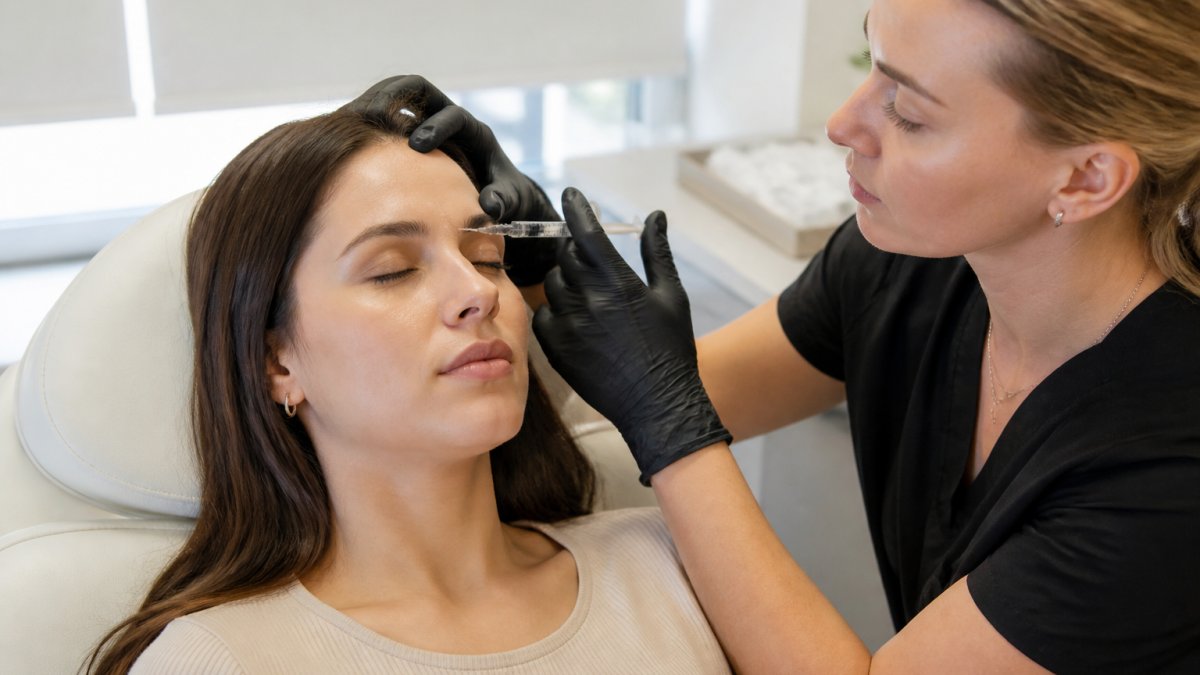
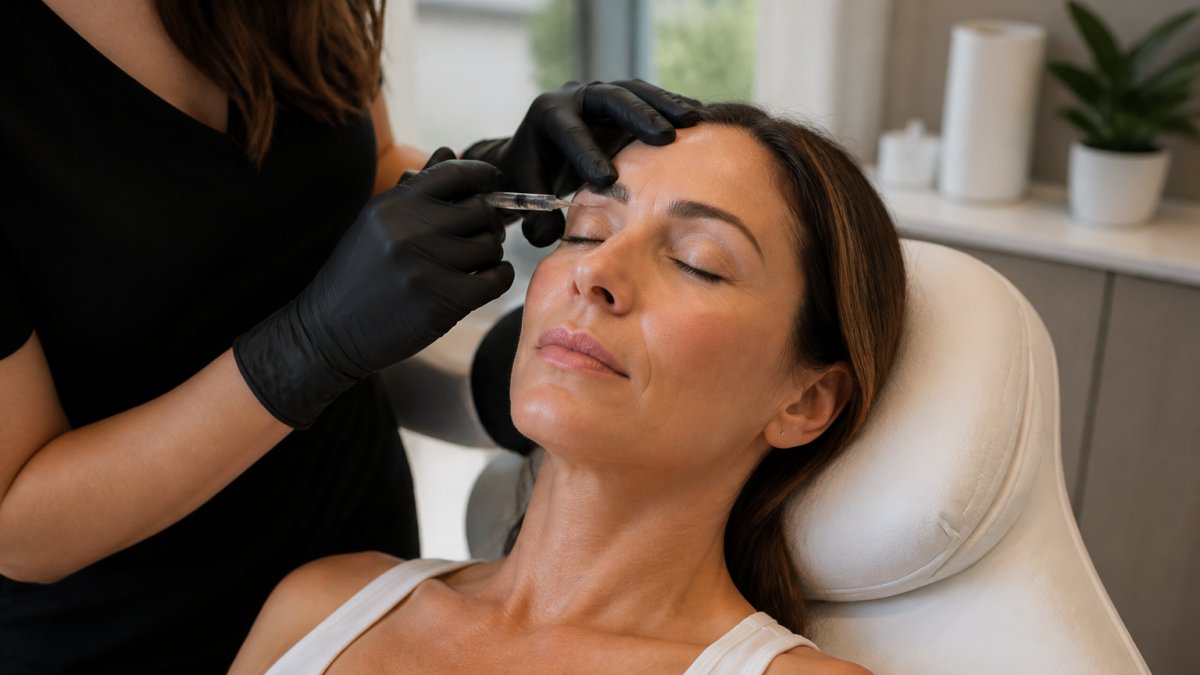
Botox is a purified form of botulinum toxin used in botox facial rejuvenation, a neuromodulator that relaxes facial muscles to smooth dynamic wrinkles and expression lines. Injected into targeted facial muscles, it blocks the signals that cause those muscles to contract, softening existing wrinkles and preventing new ones.
The toxin prevents acetylcholine release at the neuromuscular junction, so the muscle can't receive the signal to contract (BOTULINUM TOXIN). Initial effects appear in three to seven days, with full results around two weeks, making it ideal for the dynamic wrinkles that form when you smile, frown, or raise your eyebrows.
At Get Tox'd, our licensed medical providers explain exactly how botox for facial rejuvenation works for your specific facial anatomy. We offer Botox, Xeomin, and Dysport, all neuromodulators with the same mechanism but slight variations in formulation and onset time. We use flat-rate pricing based on treatment area rather than units, so you never face surprise costs.
Many people worry neuromodulators will leave them looking frozen. Natural-looking results depend entirely on dosing and technique: a qualified injector knows how much product each area needs for a refreshed appearance while preserving your ability to express emotion.
Facial Areas Botox Treats: Wrinkles and Expression Lines
Botox works best on dynamic wrinkles, lines that form when your facial muscles contract. The most common treatment areas are the forehead, glabella (between your eyebrows), and crow's feet around your eyes, which account for the majority of cosmetic neuromodulator injections.
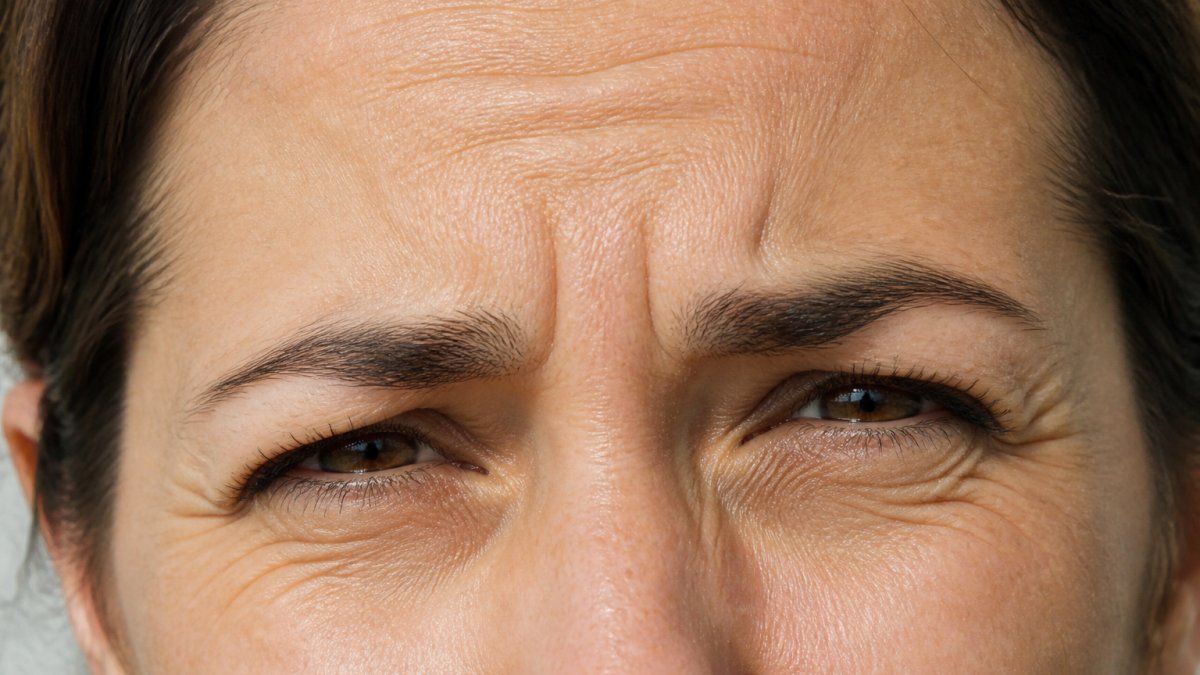
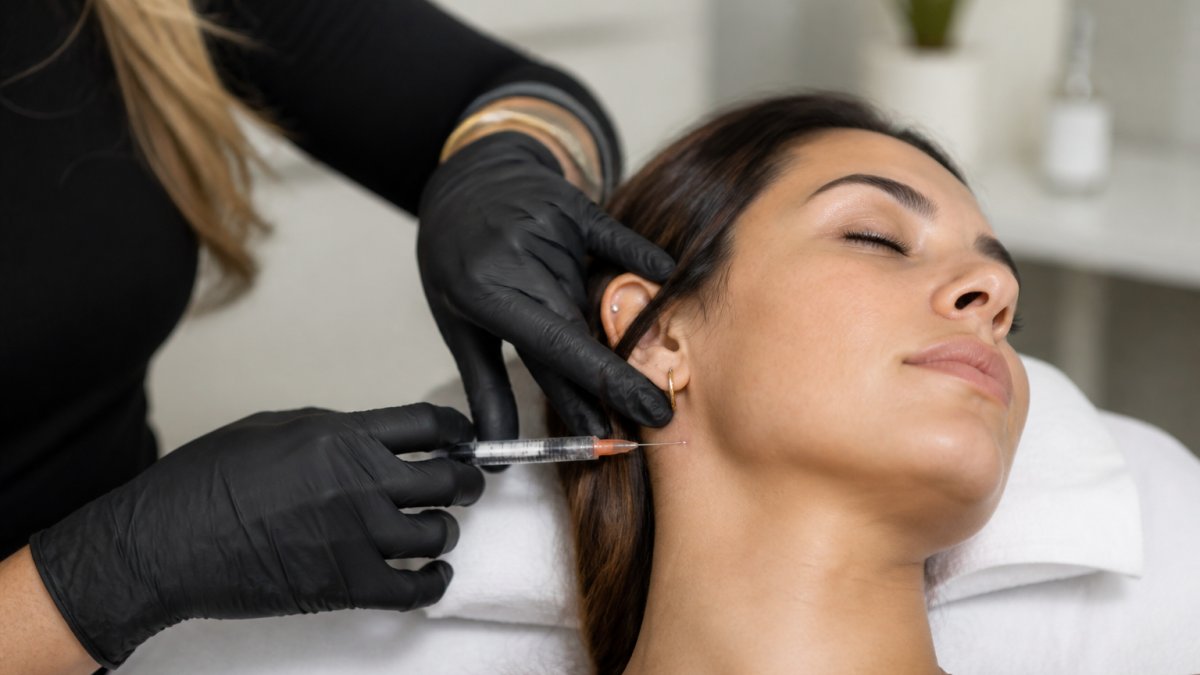
Beyond these zones, botox facial rejuvenation can treat bunny lines on the sides of your nose, horizontal neck lines, and even a gummy smile with precise dosing. Some use it preventatively on areas where wrinkles are likely based on facial anatomy and habits.
Botox works only on dynamic wrinkles created by muscle movement. Static wrinkles (visible even at rest) respond better to dermal fillers or skin resurfacing. A qualified provider will assess your concerns and recommend the right treatment or combination.
Botox Consultation Questions to Ask Before Treatment
Your consultation ensures you're working with a qualified provider who understands your goals and can deliver natural-looking results. Ask about their training and credentials: how many years have they been injecting, are they a licensed medical professional, and have they received specialized training in facial anatomy and aesthetic injection techniques?
Ask about their approach to dosing and personalization: do they consider your facial anatomy, muscle mass, and desired outcome, or use a standard protocol?
Request before-and-after photos of patients with a similar face shape and concern. Ask about their philosophy on natural-looking results: do they soften lines while maintaining expression, or take a more aggressive approach?
Ask about potential side effects, such as bruising, swelling, or asymmetry, and how follow-up appointments are handled. At Get Tox’d, eligible touch-ups are included with qualifying treatments. Your provider can explain the follow-up timeline and determine whether an adjustment is appropriate based on your treatment area and results.
Ask which product they use. Botox, Xeomin, and Dysport are all neuromodulators with subtle differences in formulation, onset time, and longevity. A knowledgeable provider can recommend one based on your facial anatomy and goals.
How Long Does Botox Last and When Should You Retreat
Results from Botox for facial rejuvenation typically last three to four months, although duration varies depending on the product used and individual factors such as muscle activity and response to treatment (PubMed). Tracking your results after your first treatment can help you and your provider determine the right maintenance schedule for you.
Many people schedule maintenance treatments every three to four months, although the ideal timing varies from person to person. As the effects gradually wear off, muscle movement returns and expression lines may become more noticeable. Your provider can recommend a treatment schedule based on your results, goals, and individual response.
A common misconception is that treatment frequency weakens muscles or creates dependence. Your facial muscles remain the same strength whether you treat every twelve or sixteen weeks. If you stop injecting, lines return to their pre-treatment state but don't worsen.
Maintaining your results starts with a treatment plan tailored to your needs. At Get Tox’d, our licensed medical providers assess your concerns at every visit and personalize your treatment to help you achieve natural-looking results. Our Tox’d Club membership is an option for clients who want to make ongoing treatments part of their routine.
Consistency is key to the best outcomes with botox for facial rejuvenation.
Natural-Looking Botox Results: Dosing and Personalization
The difference between a natural-looking result and an overdone appearance comes down to dosing and technique. Less is often more: soften lines while preserving your ability to frown, raise your eyebrows, and smile naturally, just without the deep creases.
Personalization starts with assessing your facial anatomy: thick or thin muscles, high or low muscle mass, and whether your concern is horizontal forehead lines or vertical frown lines.
The Tox'd Technique used by our licensed medical providers at Get Tox'd focuses on this personalization. Rather than a rigid unit-based protocol, we assess your facial structure and goals, then dose accordingly, reducing the frozen look that concerns first-time clients. You want to look refreshed, not like you've had work done.
Strategic placement matters too: injecting too close to the eyebrows can cause a heavy brow, and too much in the forehead can flatten your expression. A skilled injector knows facial muscle anatomy and places product precisely.
Product choice also affects natural-looking results. Botox, Xeomin, and Dysport have different diffusion patterns: Botox is more localized, Dysport spreads slightly more, and Xeomin falls in between.
Book now your FREE consultation →
Botox Before and After: What to Expect in Your First Week
The first week after botox for facial rejuvenation brings most visible changes, though the full effect takes about two weeks to settle. On treatment day, expect mild redness and possibly small bumps at injection sites, fading within an hour or two.
Avoid touching injection sites for at least four hours. Don't exercise, use saunas, or raise your body temperature significantly for twenty-four hours, since heat can increase swelling and potentially cause the product to migrate.
By day three or four, the product starts taking effect: your forehead may feel slightly heavy and you can't frown as deeply.
Around two weeks after treatment, your results can be assessed to determine whether any adjustments are appropriate. At Get Tox’d, eligible touch-ups are included with qualifying treatments. Your provider will evaluate your results and explain the available options based on your treatment area and individual needs.
After treatment, avoid lying down for four hours and keep your head upright to prevent product migration. Avoid alcohol for twenty-four hours, as it can increase bruising. Most people return to normal activities immediately.
Timeline | What to Expect |
|---|---|
Day 0 (injection day) | Temporary redness, swelling, or small bumps at injection sites may occur. |
Days 1-3 | Mild bruising or swelling may be noticeable as the treated area begins to respond. |
Days 4-7 | Initial improvements in expression lines may become noticeable. |
Days 10-14 | Results are typically more fully developed. A follow-up assessment can help determine whether an adjustment is appropriate. |
Weeks 3-4 | Results may continue to settle, depending on the individual response. |
Months 3-4 | The effects may gradually wear off as muscle movement returns. Duration varies from person to person. |
Choosing a Qualified Provider and Understanding Pricing
Selecting the right provider for botox for facial rejuvenation is as important as the treatment itself.
Request before-and-after photos to understand a provider’s aesthetic approach. Look for results that align with your preferences, whether you want subtle, natural-looking improvements or more noticeable changes. Examples involving patients with similar features can also help you understand what results may be realistic for you.
Ask about their consultation approach. A thorough one covers your concerns, an assessment of your facial anatomy, recommended treatment areas, and realistic expectations.
Pricing for botox for facial rejuvenation varies by location, provider experience, and pricing model. At Get Tox’d, we offer flat-rate pricing based on treatment area, so you know the cost upfront without worrying about per-unit charges or unexpected fees. During your consultation, our providers will assess your goals and recommend a personalized treatment plan.
When comparing pricing, the cheapest option isn't always best: a provider charging significantly less may have less experience or use lower-quality product. The most expensive isn't necessarily best either.
According to the American Society of Plastic Surgeons, neuromodulator injections are among the most popular cosmetic procedures. This widespread use means there's many providers, from experienced specialists to those with minimal training.
Ask about touch-up policies: are they charged or included? At Get Tox'd, our licensed medical providers focus on natural-looking results with flat-rate pricing based on treatment area. Eligible touch-ups are included with qualifying treatments. Learn more about our approach and schedule your free consultation to see how botox for facial rejuvenation can refresh your appearance.
Consider membership or loyalty programs if you plan to maintain results long-term. Consistent treatment every twelve weeks is the standard for maintaining botox for facial rejuvenation results, and a membership makes regular maintenance more affordable.
Botox for facial rejuvenation has transformed how millions of people approach aging and preventative aesthetic care. At Get Tox'd, our licensed medical providers use the Tox'd Technique to deliver natural-looking results with flat-rate pricing and free touch-ups included. Learn more about our approach and schedule your free consultation to see how botox for facial rejuvenation can refresh your appearance.
Frequently Asked Questions
How long does Botox last on your face?
Botox results typically begin to appear within 3 to 7 days and continue developing over the following two weeks. Most people see the full effect around day 14. Results generally last 3 to 4 months, although duration varies depending on the individual and the treatment area. As the effects wear off, muscle movement gradually returns and expression lines may become more noticeable. Your provider can recommend a maintenance schedule based on your results and goals.
What should you ask at a Botox consultation?
Ask about the provider's credentials, experience with facial anatomy, and how they personalize treatment to your needs. Request before-and-after photos to get a sense of their work, and discuss your aesthetic goals and what natural-looking results mean to you. Ask which product is being used (Botox, Xeomin, or Dysport), when you can expect to see results, how long they may last, and what options are available if you're unhappy with the outcome. Finally, clarify the total cost, what's included in the price, and whether touch-ups are included for your treatment area.
How can you get natural-looking Botox results?
Natural-looking results come from personalized treatment based on your facial anatomy, muscle activity, and aesthetic goals. A qualified provider assesses your individual features rather than applying a standard approach. Discuss whether you prefer subtle softening of expression lines or more noticeable wrinkle reduction. Your provider can recommend an appropriate treatment plan based on your goals and how your facial muscles respond. Choosing an experienced provider who prioritizes facial balance and natural movement can help you achieve refreshed results without looking overdone.
What should you expect in the first week after Botox?
Immediately after injections, you may notice mild redness, swelling, or bruising at the injection sites. These effects typically improve within a few hours to several days. Follow your provider's aftercare instructions, including any guidance on activities to avoid after treatment. Results may begin to appear within 3 to 7 days, with continued improvement over the following two weeks. Most people return to their usual activities shortly after treatment. Around two weeks after your appointment, your provider can assess your results and determine whether an adjustment is appropriate. At Get Tox'd, eligible touch-ups are included with qualifying treatments.
Which facial areas can Botox treat?
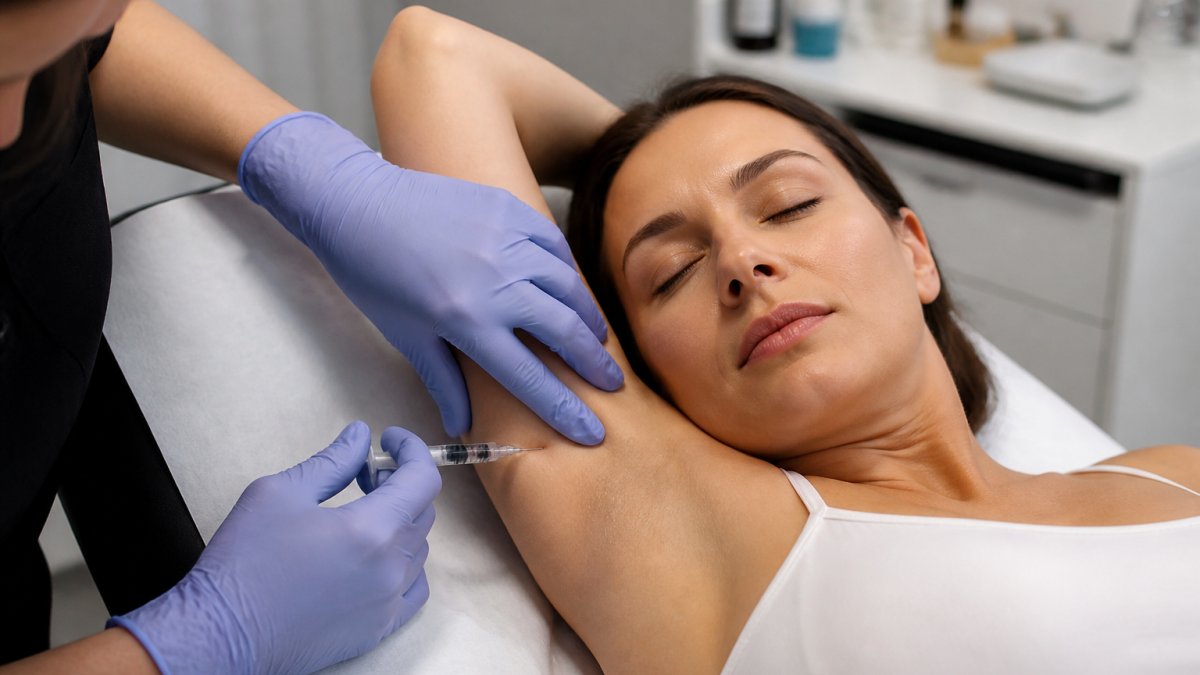
Botox is commonly used to soften dynamic wrinkles caused by muscle movement. FDA-approved cosmetic treatment areas for Botox Cosmetic include forehead lines, frown lines between the eyebrows, and crow's feet. Other areas, such as the jaw muscles, chin, neck, and upper lip, may be treated with neuromodulators for certain concerns, depending on the product and provider's assessment; these uses may be off-label. Botulinum toxin products are also used for certain medical conditions, including excessive sweating (hyperhidrosis), depending on the product and indication. Your provider can assess which treatment areas may be appropriate for your facial anatomy and goals.
How do Botox, Xeomin, and Dysport differ?
Botox, Xeomin, and Dysport are FDA-approved neuromodulators that temporarily relax targeted muscles to soften certain wrinkles. Botox has a long history of clinical use. Xeomin is formulated without accessory proteins, while Dysport has different formulation characteristics that may influence how it spreads in treated tissue. Results, onset, and duration can vary depending on the product, treatment area, and individual response. Your provider can recommend an option based on your facial anatomy, treatment goals, and medical history.