 How-to
Flat-Rate Botox for Hyperhidrosis: Cost, Results & What to Expect
Table of Contents
- What Is Hyperhidrosis and How Botox Helps
- How Botox Reduces Sweating: The Mechanism Behind Treatment
- Botox for Hyperhidrosis Cost: Understanding Flat-Rate Pricing
- How Long Does Underarm Botox Last and What to Expect
- Botox for Excessive Sweating Side Effects and Risks
- Your Consultation and Treatment Day: What Happens
- Is Flat-Rate Botox Right for Your Hyperhidrosis?
- Frequently Asked Questions
Last Updated: October 11, 2026
What Is Hyperhidrosis and How Botox Helps
Hyperhidrosis is excessive sweating beyond what your body needs for temperature regulation, occurring at rest, in cool environments, or without obvious triggers, and flat rate botox for hyperhidrosis offers an effective treatment option. It affects millions and can impact daily life through stained clothes and social anxiety.
Primary hyperhidrosis (no underlying cause, often hereditary) accounts for most cases, with sweating concentrated in underarms, palms, soles, or forehead. Secondary hyperhidrosis results from another health condition or medication.
Botox blocks nerve signals to sweat glands by preventing acetylcholine from reaching them, effectively reducing sweat production and helping people regain confidence.
How Botox Reduces Sweating: The Mechanism Behind Treatment
Botox blocks acetylcholine release at nerve endings near sweat glands, preventing them from producing excess sweat. The effect is temporary, lasting several months.
The treatment is localized, injections in your underarms don't affect sweating on your face, chest, or other areas.
Botox offers a reversible middle ground between systemic oral medications and permanent surgical procedures, providing symptom relief without systemic side effects.
Botox for Hyperhidrosis Cost: Understanding Flat-Rate Pricing
Understanding flat-rate vs. per-unit pricing helps you compare costs upfront and avoid surprises.
Flat-Rate vs. Per-Unit Pricing: The Key Difference
Per-unit pricing typically involves a cost per unit; underarm treatment often requires a significant number of units per underarm, which can lead to varying total costs before touch-ups.
Flat-rate pricing covers unlimited units for a specific area at one fixed price, regardless of how many units are needed.
Typical Flat-Rate Pricing and What Affects Cost
Flat rate botox for hyperhidrosis varies by location, provider credentials, treatment area size, and what's included (touch-ups, consultation, numbing).
What Flat-Rate Pricing Should Include
Clarify what's included: unlimited units, consultation, touch-ups (typically one free within 2 weeks), numbing cream, and follow-up assessments.
What Flat-Rate Pricing May NOT Include
Exclusions typically include: additional treatment areas, and cancellation fees. Confirm whether consultation fees apply if you don't proceed.
Flat-Rate Pricing vs. Per-Unit: A Real-World Comparison
However, verify that flat-rate pricing includes appropriate dosing, not underdosing to protect margins.
Insurance Coverage and Reimbursement
Hyperhidrosis Botox is rarely covered by insurance despite FDA approval, as insurers often classify it as cosmetic. Contact your insurer to confirm coverage; prior authorization may require documentation of failed conservative treatments.
Questions to Ask About Flat-Rate Pricing
Key questions: Does the flat rate include unlimited units? What's included (consultation, numbing, touch-ups)? How many free touch-ups and for how long? What's the cost of maintenance treatments? Do you offer package pricing?
How Long Does Underarm Botox Last and What to Expect
Results appear within 3-7 days, with full effects by week 2. Most people experience relief for 4-12 months; factors like metabolism, severity, and dosing affect duration. Many schedule maintenance every 4-6 months.
The temporary nature of results is actually an advantage. If you experience any side effects or simply want to stop treatment, the effects will naturally wear off over time. You're not locked into permanent changes.
Botox for Excessive Sweating Side Effects and Risks
Common mild side effects (redness, bruising, swelling, itching) resolve within 24-48 hours. Most people return to normal activities immediately.
Rare serious side effects (muscle weakness if toxin spreads) are minimal when administered by licensed professionals using proper technique.
Compensatory sweating (increased sweating in untreated areas) is a perception shift, not a true side effect, you notice other areas more because the treated area is drier.
Botox is not appropriate for pregnant or breastfeeding women, those with neuromuscular conditions, or those with component allergies. The FDA approves it for primary axillary hyperhidrosis; off-label use for palms or soles is common but outside formal approval.
Your Consultation and Treatment Day: What Happens
Before You Book: Evaluating the Provider
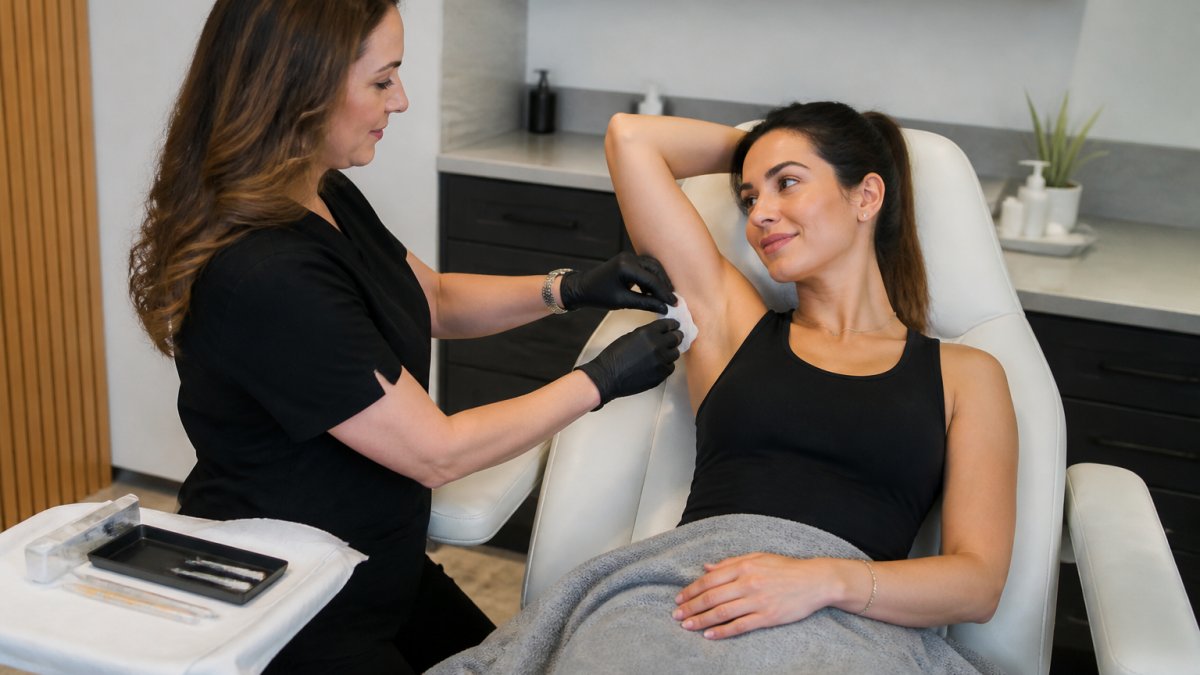
Vet the provider before booking. Botox for hyperhidrosis requires proper technique and appropriate dosing.
Book now your FREE consultation →
Check Credentials: Verify the provider is a licensed physician, NP, PA, or RN under physician supervision (not an esthetician). Board certification in dermatology or plastic surgery is ideal.
Red Flags: Providers who won't disclose credentials, pressure you to book before consultation, guarantee permanent results, offer drastically lower prices without explanation, or won't discuss unit dosing.
Your Consultation Appointment
During consultation, the provider will review your medical history, assess severity, discuss goals, explain the mechanism, review risks, and determine unit dosing.
Critical Questions: How many units for my area and why? What reduction should I expect (50-75%)? Does flat-rate include unlimited units and free touch-ups? How many hyperhidrosis treatments have you performed?
What to Bring: List of medications and supplements, documentation of neurological conditions, photos of affected areas, insurance card, and written questions.
Treatment Day: The Procedure
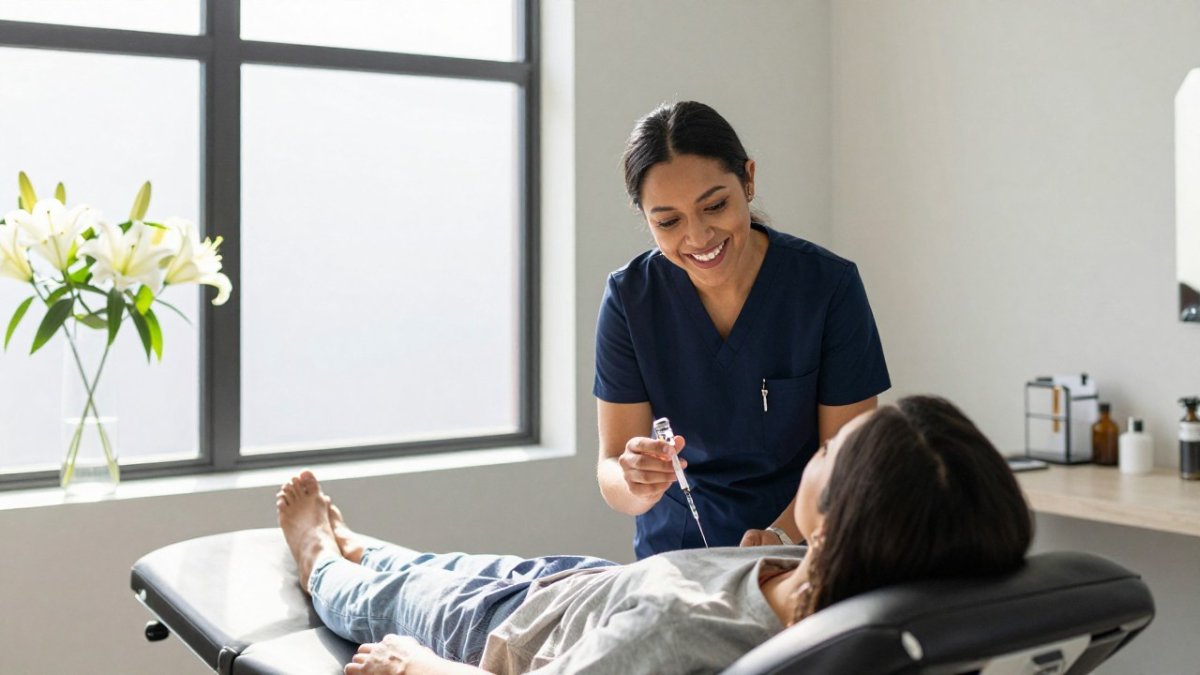
On the day of your appointment, plan for 30 to 45 minutes total (15 minutes for the actual injections, plus time for preparation and post-treatment instructions).
The step-by-step process:
- Arrival and consent: You'll review and sign informed consent documents confirming you understand risks and benefits
- Area preparation: The provider cleans the treatment area with antiseptic (usually chlorhexidine or alcohol-based solution)
- Numbing (optional): A topical numbing cream may be applied 10 to 15 minutes before injections to minimize discomfort. Some providers use ice instead
- Marking the injection sites: The provider may mark the area with a surgical pen to ensure even distribution of injections
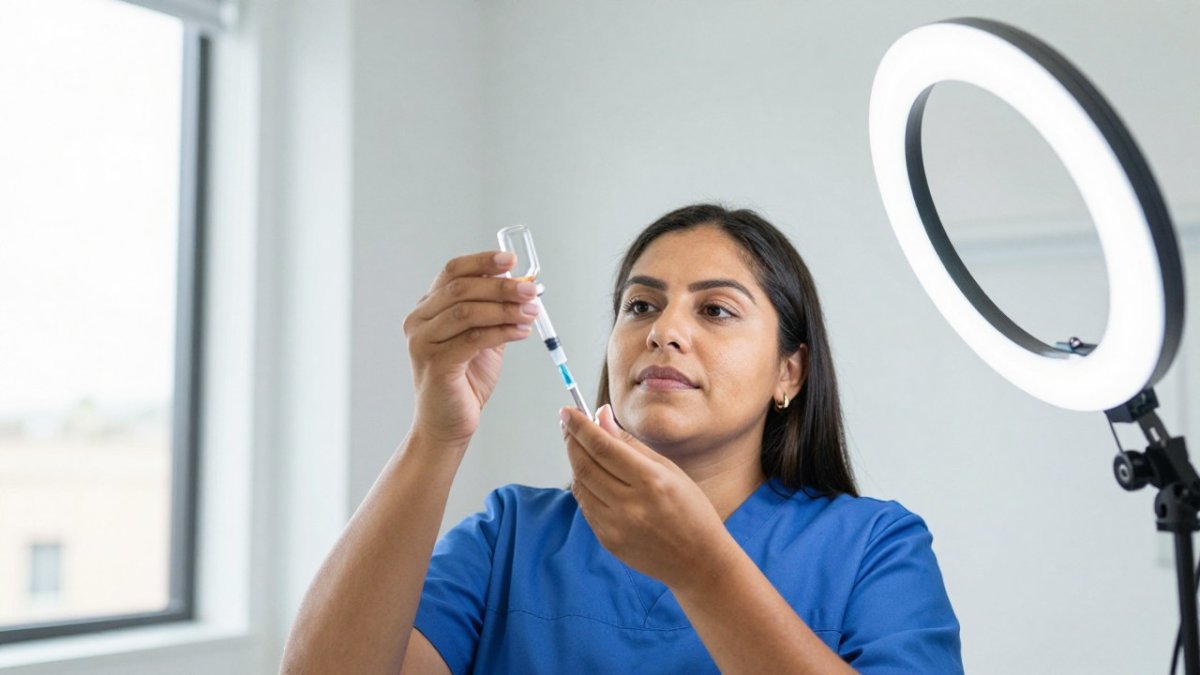
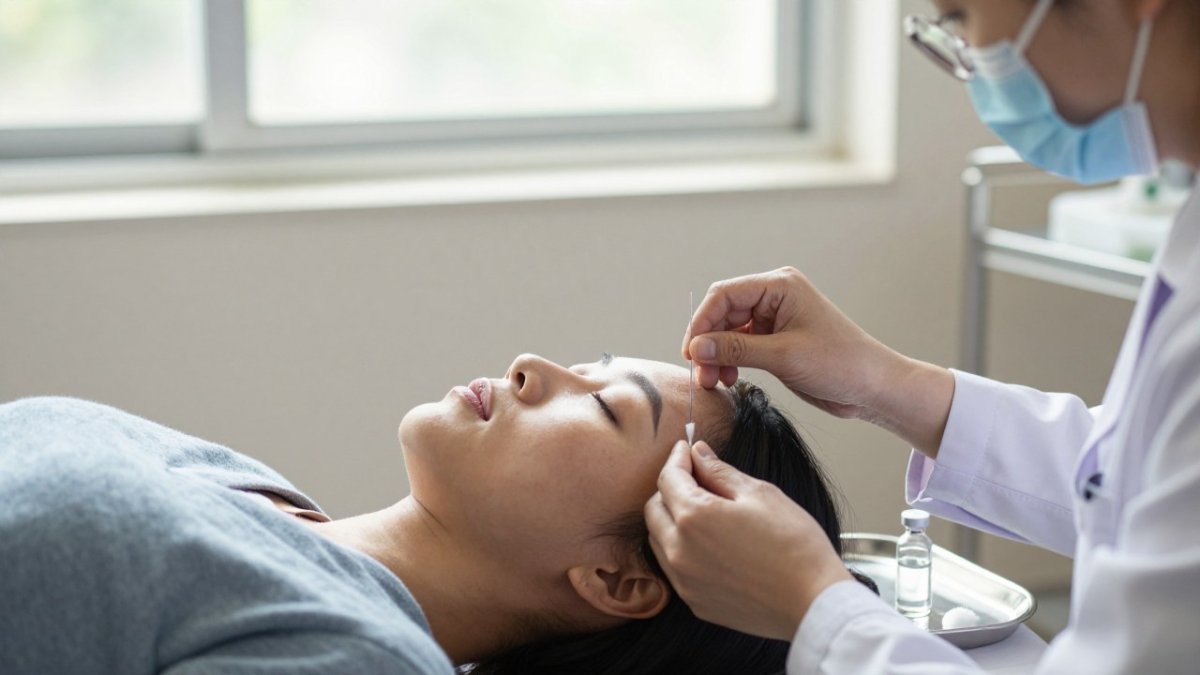
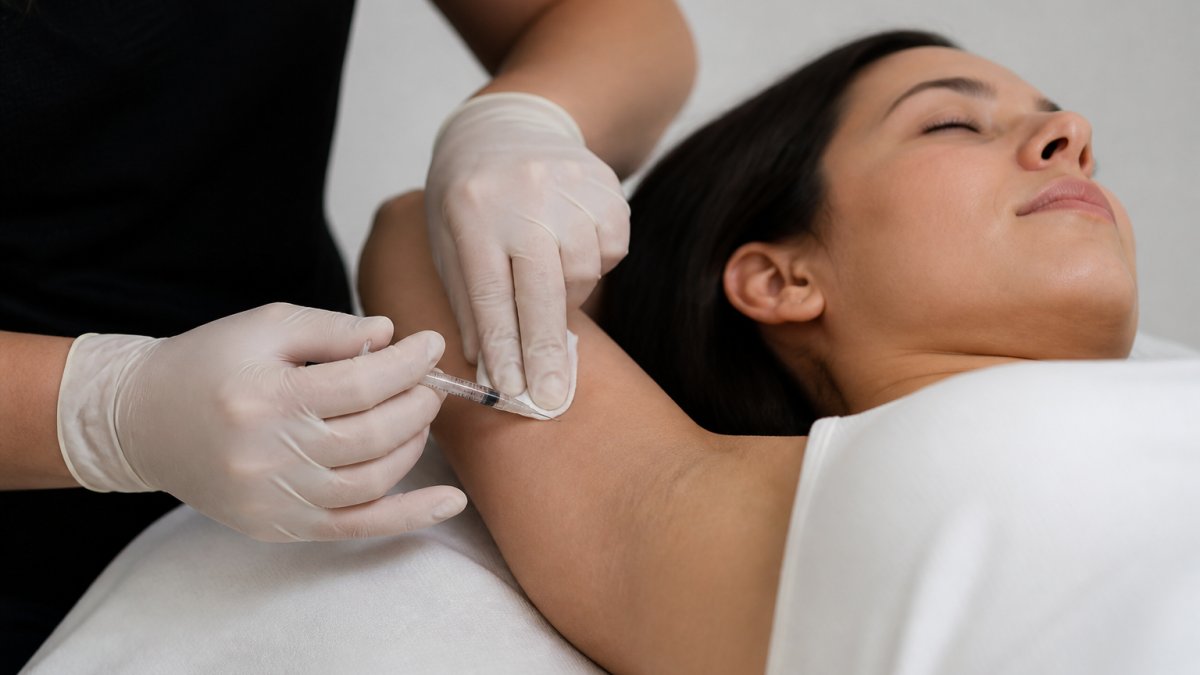
- Injections: Using a fine needle (typically 30 or 32 gauge), the provider injects small amounts of botulinum toxin across the treatment area. For underarms, injections are spaced about 1 to 2 centimeters apart in a grid pattern to ensure even coverage. This typically takes 5 to 10 minutes
- Post-injection instructions: The provider will review aftercare guidelines (see below)
- Scheduling follow-up: You'll book your 2-week touch-up appointment and discuss when to schedule your next maintenance treatment
Expect a quick pinch or mild sting; topical numbing makes it nearly painless. No general anesthesia is needed. Minimal bleeding is normal. No downtime, return to normal activities immediately.
Post-Treatment Care: The First 24 Hours
Avoid strenuous exercise, massage, extreme heat, and lying down for 4 hours post-treatment. Skip facial treatments for 24 hours. Avoid additional blood thinners for 24 hours. Shower and deodorant are fine.
When Results Appear and What to Expect
- Days 1-3: You may notice a slight reduction in sweating, but full effects haven't developed yet
- Days 3-7: Most people see noticeable improvement as the botulinum toxin fully blocks acetylcholine release
- Week 2: Results peak; this is when you'll have your touch-up appointment to assess evenness and make any adjustments
- Weeks 2-12: Results continue to improve slightly as your body fully responds to the treatment
- Months 3-4: Results typically plateau and remain stable
- Months 4-6: You may notice sweating gradually returning as your body produces new nerve endings and the toxin effect wears off
Your 2-Week Touch-Up Appointment
Most providers include a complimentary touch-up visit 2 weeks after your initial treatment. During this appointment:
- The provider assesses whether results are even across the treated area
- If one underarm has better results than the other, small additional injections can balance the effect
- You'll discuss whether the level of dryness meets your expectations
- If you're not satisfied, the provider can make adjustments to improve results
This touch-up is crucial and should always be free with a flat-rate package. It ensures you get the best possible outcome from your treatment.
Scheduling Your Next Treatment
Before you leave your first appointment, discuss when to schedule your next treatment:
- Typical maintenance schedule: Most people return every 4 to 6 months, though some can extend to 8 to 12 months
- Cost of repeat treatments: Ask whether maintenance treatments are the same flat-rate price or discounted for returning patients
- Booking in advance: Schedule your next appointment 2 to 3 months out to ensure availability
Is Flat-Rate Botox Right for Your Hyperhidrosis?
Flat-rate Botox works well for people with confirmed hyperhidrosis who want predictable costs and straightforward treatment. It's especially valuable if you're frustrated with per-unit pricing models that create uncertainty about final cost.
Consider flat-rate Botox if:
- You experience excessive sweating that impacts your daily life
- You want to know your total cost upfront with no surprises
- You prefer a licensed medical professional who focuses on results rather than unit counts
- You're willing to commit to maintenance treatments every four to twelve months
- You want free touch-ups included in your treatment price
This approach may not be ideal if you're looking for a one-time permanent solution. Botox requires ongoing maintenance. It's also not suitable if you have untreated medical conditions that contraindicate botulinum toxin, or if you're pregnant or breastfeeding.
Many people find that flat-rate pricing removes the anxiety from treatment decisions. You're not wondering if you're paying too much or if your provider is overselling units. You're simply getting the appropriate dose for your specific anatomy and severity of hyperhidrosis.
Get Tox'd offers free consultations so you can discuss your specific situation with a licensed provider before committing to treatment. This conversation helps you understand whether flat-rate Botox is the right approach for your hyperhidrosis and what results you can realistically expect.
The decision ultimately depends on your comfort level with the treatment process, your budget, and how much hyperhidrosis affects your quality of life. Many people find that the relief and confidence gained from reduced sweating justifies the investment in ongoing maintenance.
Hyperhidrosis doesn't have to control your life. If excessive sweating is limiting your activities or affecting your confidence, flat-rate Botox offers a proven, reversible solution with transparent pricing. Get Tox'd provides flat-rate Botox treatment for hyperhidrosis with unlimited units, free touch-ups, and personalized dosing by licensed medical professionals. Learn more about FDA-approved treatments for hyperhidrosis and schedule your free consultation to explore whether this approach is right for you.
Frequently Asked Questions
How effective is Botox for treating hyperhidrosis?
Botox significantly reduces excessive sweating in treated areas. Clinical data shows reductions of 82-85% in sweat production for patients with axillary hyperhidrosis (underarm sweating). Results typically appear within 3-7 days and continue improving for up to two weeks. Effectiveness varies by individual, which is why a consultation with a licensed medical provider is essential to set realistic expectations for your specific case.
What does flat-rate Botox for hyperhidrosis include?
Flat-rate pricing means you pay one fixed price per treatment area rather than per unit of botulinum toxin. This model typically includes the full treatment with unlimited units needed to address your hyperhidrosis, eliminating surprise costs if your provider determines you need more units than initially quoted. Many flat-rate providers also include complimentary touch-ups within a set timeframe. Visit Get Tox'd's pricing page for details on what is included with each treatment area.
How does flat-rate pricing compare with per-unit pricing?
Per-unit pricing charges you for each unit of botulinum toxin injected, which can be unpredictable if your provider estimates incorrectly or you need more units than expected. Flat-rate pricing eliminates that uncertainty: you know the cost upfront and receive all units necessary for your treatment area at no additional charge. This model works especially well for hyperhidrosis, where dosing requirements can vary significantly between individuals, making per-unit pricing risky and potentially expensive.
What should I ask before choosing a flat-rate Botox provider?
Ask about the provider's qualifications and experience with hyperhidrosis treatment, whether touch-ups are truly free and for how long, what happens if you're unhappy with results, whether maintenance treatments are included in membership plans, and exactly which treatment areas the flat rate covers. Also confirm that injections are performed by a licensed medical professional. A reputable provider like Get Tox'd offers free consultations, use that time to ask these questions and assess whether you're comfortable with their approach.