 How-to
How to Report Suspected Counterfeit Botox Safely
Last Updated: November 15, 2026
Quick Summary
To report suspected counterfeit botox, file a product problem report with the FDA's MedWatch program online or by phone, and save your confirmation number. If you received an injection and have symptoms, seek emergency care first, then file a MedWatch adverse event report. You can also report the clinic or provider to your state health department.
- Check packaging for misspelled words, peeling labels, and lot numbers that do not match the box.
- Gather the product name, lot number, expiration date, provider details, photos, and your symptoms before filing.
- Keep the vial, box, and receipt in a sealed bag and photograph the packaging from several angles.
- Call the manufacturer's customer service line with the lot number to confirm whether it shipped to a legitimate distributor.
- Seek emergency care for trouble breathing or swallowing, drooping eyelids, weakness, or slurred speech.
Table of Contents
- Why Counterfeit Botox Reports Matter for Patient Safety
- How to Spot Fake Botox Before You Report
- How to Report Suspected Counterfeit Botox Online
- Botox Lot Number Lookup and Product Verification
- What to Do After a Suspected Counterfeit Botox Injection
- Reporting Steps for Patients, Clinicians, and Facilities
- What Happens After You Submit a Report
- Book With a Licensed Provider You Can Verify
- Frequently Asked Questions
Why Counterfeit Botox Reports Matter for Patient Safety
Counterfeit Botox is a real threat to anyone receiving botulinum toxin injections, and reporting a suspected fake product is one of the fastest ways to protect yourself and others. At Get Tox'd, we treat every vial as a safety issue first and a cosmetic one second.
The stakes are simple. A counterfeit product may contain the wrong ingredient, the wrong dose, or something harmful. Health regulators track these cases, but they depend on reports from patients and clinics. Reports can help identify problem products.
This guide walks you through spotting a fake, filing a report, and knowing when to seek urgent care. Below, we break down each step so you can act with confidence.
How to Spot Fake Botox Before You Report
Fake Botox often looks almost right, but small details give it away. Check the packaging, the label, and where the product came from before you file anything. A few minutes of inspection can confirm whether you have a real concern.
Check the Packaging and Product Label
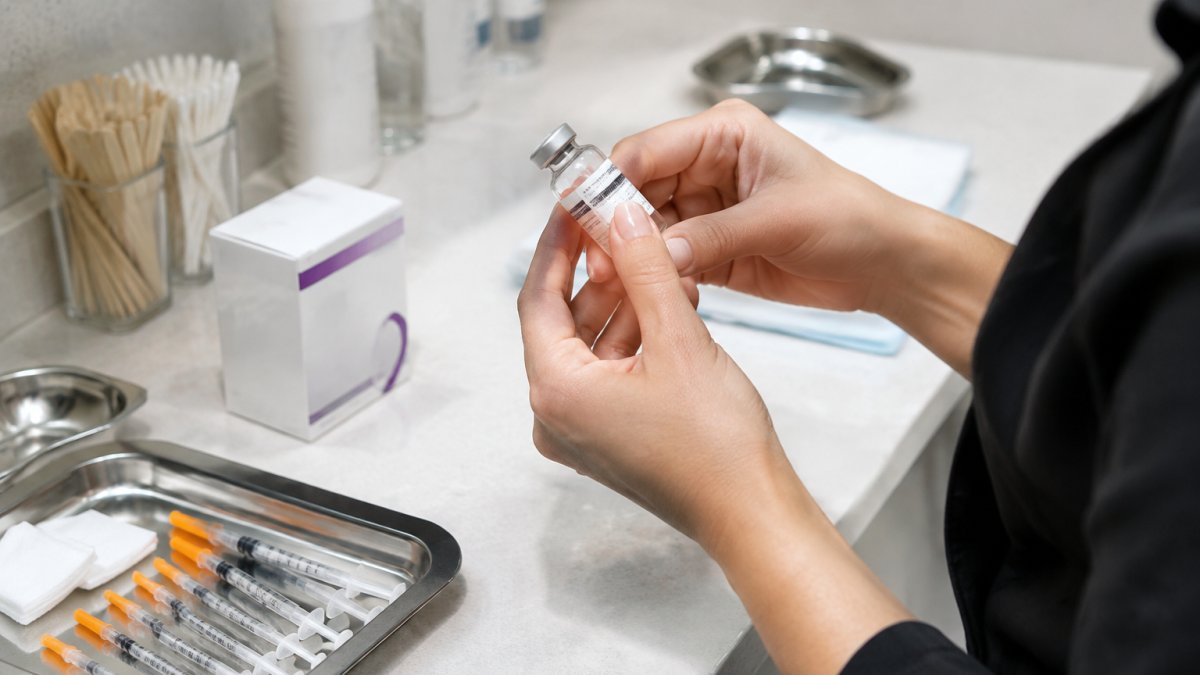
Authentic packaging is typically precise. Look for these warning signs:
- Misspelled words or blurry print on the box or vial
- A label that peels easily or looks reprinted
- No lot number, or a lot number that does not match the box
- Packaging in a language that does not match the market
- A price that seems too low for the product
If any of these appear, treat the product as suspect and do not use it.
Confirm the Product Source and Provider
Ask where the product came from. Legitimate clinics buy through authorized distributors and can show you the chain. Red flags include:
- Product bought online or from a third party
- A provider who cannot name the distributor
- A clinic that will not show the vial or its packaging
- Treatment offered in a home, hotel, or other non-clinical setting
If you want help checking whether a provider is legitimate, our guide on how to find licensed medical providers for Botox walks through the verification steps.
How to Report Suspected Counterfeit Botox Online
You have two main federal routes and one state route, and picking the right one first saves time. The FDA's MedWatch program accepts reports of product problems, including suspected counterfeit, contaminated, or mislabeled product, from patients and clinicians alike (the FDA). Your state health department handles complaints about the provider or facility and tracks illness clusters. Most people end up filing with more than one, and that is fine.
Use this decision guide before you start:
- You have the product or its packaging and no symptoms: file a MedWatch product problem report.
- You received an injection and have symptoms: call 911 or seek emergency care first, then file a MedWatch report that includes the adverse event.
- You suspect the clinic or provider, not just the vial: file with MedWatch and your state health department.
- You are a clinician or facility holding suspect inventory: file a MedWatch report and contact the manufacturer directly.
Here is the step-by-step process:
- Go to the FDA MedWatch reporting portal to file online, or call the FDA reporting line and have your details ready.
- Choose the report type that matches your situation: product problem or adverse event. If both apply, file the adverse event report and describe the product concern inside it.
- Describe the product, the lot number, and exactly where and when you got it.
- Upload photos of the packaging, vial, and label if you have them.
- Submit and save your confirmation number. Write it on the receipt or in your phone notes.
What Information to Gather Before You File
Have these details ready before you open the form:
- Product name, lot number, and expiration date as printed
- The clinic or provider's name and address
- The date of treatment or purchase
- Photos of the box, vial, and label, including any mismatch between box and vial
- Your symptoms, if any, and when they started
- Your contact information and whether you consent to follow-up
The more detail you provide, the easier it is for investigators to trace the product to a distributor.
How to Preserve the Product and Evidence
Do not throw the vial, box, or receipt away, even if you are upset. Keep them in a sealed bag, away from heat, and do not attempt to use or open anything further. Photograph the packaging from several angles before you handle it more than necessary, and keep the receipt or payment record that shows where and when you bought it. If a clinician gave you the injection, ask for the lot number in writing.
Do not inject a product you cannot verify, and do not send the vial to anyone other than an official investigator.
Match your situation to the right reporting route before you start.
| Your situation | Where to report |
|---|---|
| Product or packaging, no symptoms | FDA MedWatch product problem report |
| Injection received and symptoms present | Emergency care first, then MedWatch adverse event report |
| Suspect the clinic or provider | MedWatch and state health department |
| Clinician or facility holding suspect inventory | MedWatch and contact the manufacturer |
Botox Lot Number Lookup and Product Verification
A lot number is the fastest way to check whether a product is real. The lot number is printed on the vial and the outer box, and the two should match. If the lot cannot be verified or the packaging raises doubts, compare its details with other signs of counterfeiting, including the checks associated with Beau Visage.
Product verification also means checking the label against the manufacturer's official images. Look for the exact font, color, and wording. If anything looks off, report it.
Watch out: never inject a product you cannot verify, even if a friend or provider tells you it is fine. The risk is not worth it.
What to Do After a Suspected Counterfeit Botox Injection
If you think you received a counterfeit injection, watch for symptoms and get medical care right away if anything feels wrong. Do not wait to see if it passes. Botulism-like illness can worsen quickly, and early treatment matters (the CDC).
Symptoms That Need Urgent Medical Care
Seek emergency care if you notice:
- Trouble breathing or swallowing
- Drooping eyelids or double vision
- Weakness in the arms or legs
- Slurred speech
- A rash, hives, or swelling at the injection site
- Fever or signs of infection
These symptoms can signal a serious reaction. Call 911 or go to the nearest emergency room.
After you get care, file your report. If you are worried about a bad result from a legitimate treatment, our page on what happens if you don't like your Botox results explains how a reputable provider handles touch-ups and adjustments.
Reporting Steps for Patients, Clinicians, and Facilities
Each group has a slightly different path. Use the steps below that match your role.
Patients:
- Stop using the product.
- Save the vial, box, and receipt.
- File an FDA MedWatch report.
- Call your state health department if symptoms appear.
Clinicians:
- Quarantine the suspect product.
- Document the lot number and patient details.
- Report to the FDA and the manufacturer.
- Notify your state health department.
Facilities:
- Pull the lot from inventory.
- Review purchase records for the distributor.
- File a facility-level report.
- Train staff on verification steps.
If you want to understand why proper dosing and technique matter for safety over time, read our guide on how Botox stays safe over time.
What Happens After You Submit a Report
A report is a starting point, not a verdict. When you submit to MedWatch, your report enters a national database that FDA reviewers scan for patterns. A single report rarely triggers action on its own; a cluster of reports pointing to the same lot, supplier, or clinic is what gets attention. That is why filing even when you are unsure matters, you may be the report that completes the pattern.
Here is what to expect, realistically:
- You may not hear back. Agencies do not confirm receipt of every report, and silence does not mean nothing happened.
- You may be contacted for details. If your report is part of an active review, an investigator may reach out by phone or email. Keep your confirmation number handy.
- Confidentiality has limits. Your identity is generally protected in public-facing materials, but it may be shared with investigators who need to follow up. Ask the intake representative what applies to your report if that matters to you.
- A report is not an investigation. Filing tells regulators what you saw. An investigation is a separate step that may involve inspecting the source, testing product, or issuing a public alert.
- State and federal tracks run in parallel. Your state health department may follow up on the provider or facility side while the FDA reviews the product side.
Watch out: do not wait for a response before getting medical care. If symptoms appear, treat the report as separate from your health decision and seek care immediately.
Book With a Licensed Provider You Can Verify
The best protection against counterfeit Botox is a provider you can check. Ask who performs the treatment, what product they use, and where it comes from.
At Get Tox'd, treatments are performed by licensed medical professionals, and we use flat-rate pricing based on the treatment area rather than units. We also include free touch-ups with main treatments.
If you are ready to book with a provider you can trust, review our guide to the best medical spa for Botox and see what to look for before your first visit.
Counterfeit products put your health at risk, and no one should have to guess whether their treatment is safe.
Frequently Asked Questions
How do I report suspected counterfeit Botox?
File a report with the FDA through MedWatch, the agency's online reporting form, or by calling the FDA reporting hotline. Include the product name, lot number, where and when you bought or received it, and any adverse reaction. If you suspect criminal activity such as illegal importation or sales from an unlicensed source, tell the FDA investigator. If you have symptoms of botulism-like illness, seek urgent medical care first and mention the product to your healthcare professional.
How can I check whether Botox is authentic?
Start with a Botox lot number lookup on the manufacturer's labeling and confirm the lot number, expiration date, and packaging match what is printed on the vial. Look for misspellings, mismatched fonts, or a product label that peels easily. Ask the provider for the product source and confirm they are a licensed healthcare provider. If anything looks off, do not proceed with the injection and report the suspected counterfeit product to the FDA.
What should I do if I think I received counterfeit Botox?
Watch for symptom onset over the next several days, including drooping eyelids, trouble swallowing, slurred speech, or muscle weakness. Seek medical attention immediately if any of these appear and tell the clinician what product you received and where. Then file an FDA report and keep the vial, packaging, and any receipts as evidence. Do not return the product to the seller, and do not get another injection from the same unlicensed source.
Can counterfeit Botox cause botulism symptoms?
Counterfeit or mishandled botulinum toxin products have been linked to severe illness, including botulism-like symptoms, because the contents may be unapproved, contaminated, or dosed incorrectly. Symptoms can include double vision, drooping eyelids, difficulty breathing, and weakness that spreads. If you notice these after an injection, go to urgent medical care right away. Report the case to the FDA and your state health department so public health officials can investigate.