 how-to
How to Find Licensed Medical Providers for Botox
Table of Contents
- Why Licensed Medical Providers Matter for Botox Treatment
- Understanding Provider Qualifications and Scope of Practice
- How to Verify a Botox Injector's License and Credentials
- Questions to Ask a Botox Provider Before Treatment
- Botox Consultation Checklist: What to Expect and What to Verify
- Botox Pricing and Treatment Plan: Understanding Costs and Customization
- Red Flags: Warning Signs of an Unqualified Injector
- Frequently Asked Questions
Last Updated: October 21, 2026
Why Licensed Medical Providers Matter for Botox Treatment
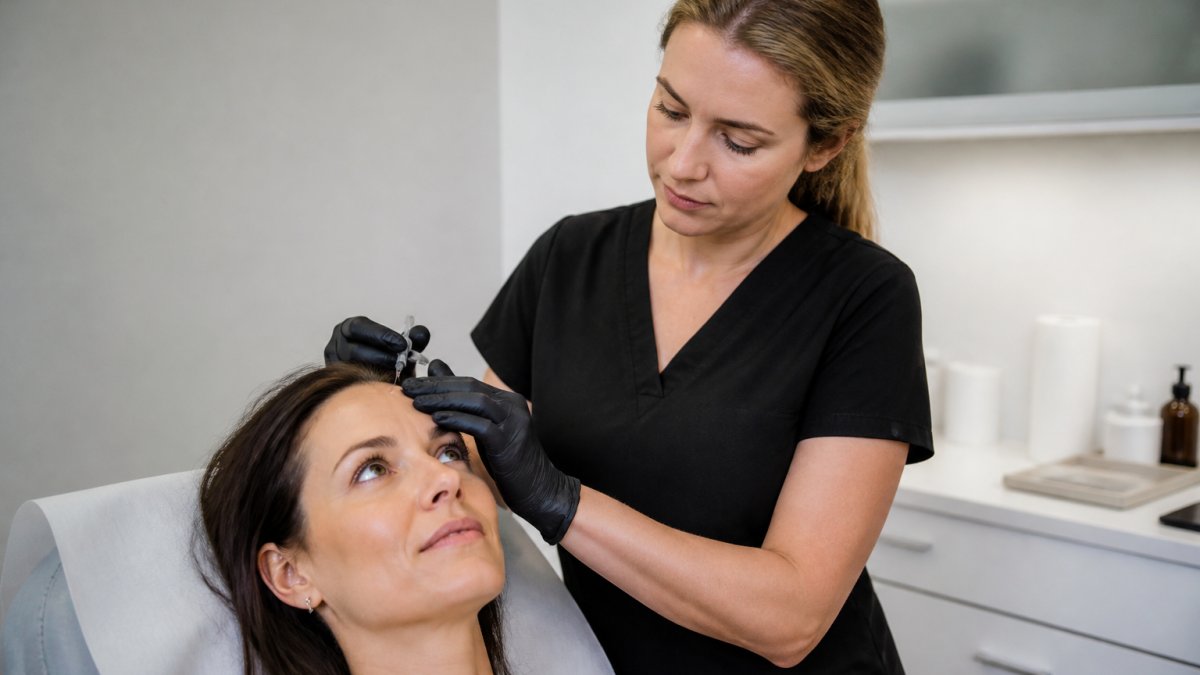
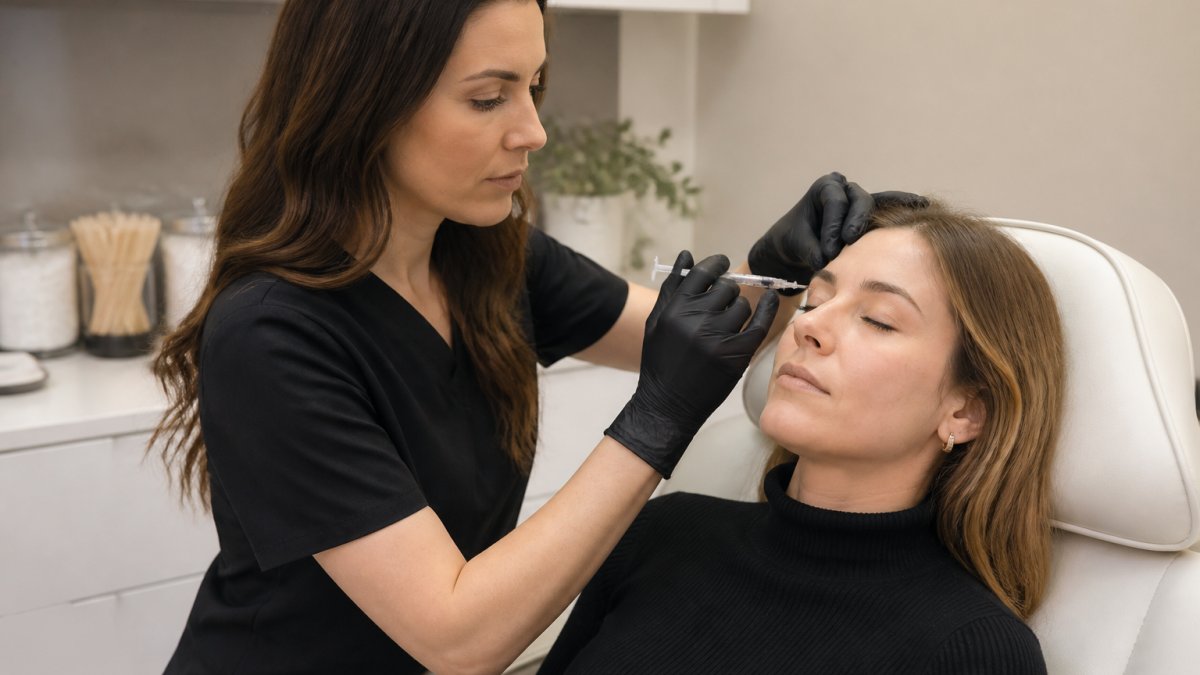
When you're considering Botox, the person holding the syringe matters as much as the product. Finding licensed medical providers for botox isn't just about safety, it's about predictable, natural-looking results tailored to your facial anatomy. The difference comes down to training, credentials, and scope of practice. (Source: the American Society of Plastic Surgeons' 2023 statistics)
Botox is a prescription medication requiring medical oversight, yet state regulations on who can inject vary significantly. This guide shows how to identify, verify, and evaluate licensed medical providers for botox before booking.
At Get Tox’d, we believe every treatment should start with a consultation, a personalized approach, and a clear understanding of what to expect.
Understanding Provider Qualifications and Scope of Practice
Different licensed medical professionals can legally administer Botox, but their training, oversight, and scope of practice differ substantially. Understanding these distinctions helps you assess whether a provider can deliver safe, effective treatment.
Physicians and Board-Certified Specialists
Physicians hold the broadest scope of practice. An MD or DO can inject Botox in any state without additional certification, though many pursue aesthetic or dermatology training to refine their technique.
Board-certified dermatologists and plastic surgeons represent the gold standard for many patients. Certification through the American Board of Dermatology or American Board of Plastic Surgery means additional residency training, rigorous exams, and ongoing education in facial anatomy, aging patterns, and injection techniques.
Board certification isn't required to inject Botox legally, though. Any MD/DO, including a primary care doctor or emergency physician, can administer it; the difference lies in training depth and facial aesthetics experience. Ask physician injectors about their aesthetic training, how many Botox treatments they've performed, and whether they have before-and-after photos.
Nurse Practitioners and Physician Assistants
Nurse Practitioners (NPs) and Physician Assistants (PAs) can administer Botox in most states, but their authority depends on state regulations and supervising physician agreements. Both require a master's degree and national certification, but scopes vary.
NPs specializing in dermatology or aesthetics often have deeper training in facial anatomy than general NPs, and PAs vary by specialty and clinical experience. The critical factor is appropriate medical supervision and specific training in aesthetic injections.
Many states require NPs and PAs to work under a supervising physician who reviews their work and maintains clinical responsibility. Ask whether a supervising physician reviews treatment plans and outcomes, and request that physician's name and credentials.
Registered Nurses and Other Injectors
Registered Nurses (RNs) can administer Botox in some states under specific conditions, typically requiring a supervising physician and aesthetic nursing certification. Regulations vary dramatically: some states allow independent injection, others require direct physician supervision, and some prohibit RNs from administering Botox altogether.
Some states also allow other healthcare professionals to administer Botox under specific circumstances. The key question is always: what does your state's medical board permit, and does this provider operate within those boundaries?
How to Verify a Botox Injector's License and Credentials
Verification is your most powerful protection. You can check a provider's license status, disciplinary history, and credentials through public records in about 15 minutes, giving you concrete information instead of marketing claims.

Check State Medical Board Records
Every state maintains a medical board database for licensed physicians, NPs, PAs, and RNs. Search your state board's website for the injector's name and verify their license is active and current.
Check the license type, issue date, and any restrictions, such as "must work under supervision" or "limited to specific procedures." These conditions reveal their legal scope.
Document what you find: the license number, issue date, and any restrictions. Screenshot it as your baseline verification.
Confirm Board Certification and Specialty Training
Board certification is voluntary but meaningful: a physician certified in dermatology or plastic surgery has completed additional training and passed specialty exams. Verify it through the American Board of Medical Specialties (ABMS) website.
For NPs and PAs, check for specialty certifications in dermatology or aesthetics through organizations like the American Academy of Nurse Practitioners or the American Academy of Physician Assistants, which indicate focused training beyond the base credential.
Ask the provider directly: how many hours of aesthetic injection training have they completed, and did they study facial anatomy and injection techniques formally or learn on the job? A qualified injector can articulate their training pathway.
Review Disciplinary History and Active License Status
State medical boards maintain disciplinary records. Check your board's website for complaints, malpractice settlements, or disciplinary actions; some publish summaries, others require a records request.
Look for patterns. A single old, resolved complaint may be irrelevant, but multiple or recent complaints are a red flag. Disciplinary actions for fraud, unlicensed practice, or patient harm should disqualify a provider immediately.
Verify the license is active and unrestricted. An expired or probationary license means the provider isn't currently authorized to practice, and this is typically public on your state board's website.
Questions to Ask a Botox Provider Before Treatment
Before booking, contact the provider and ask these questions. Their answers reveal how much they know about your face, how they plan treatment, and whether they prioritize safety and natural results. (Source: the Federation of State Medical Boards (FSMB))
Ask about their experience with your specific concerns.
Request before-and-after photos from patients with similar features and concerns. Look for natural-looking results, not overdone or frozen appearances, and a range of outcomes rather than only the most dramatic transformations.
Book now your FREE consultation →
Ask about their approach to customization. Do they assess your face individually and adjust dosing, or do they use a standard protocol for everyone? Do they consider gender-specific differences in facial anatomy?
Inquire about their touch-up policy. What happens if you're not satisfied with the results? Can you return for adjustments? Many providers offer complimentary touch-ups, but policies vary.
Ask about the products they use. Botox, Xeomin, and Dysport are all FDA-approved neuromodulators. Does the provider offer options, or do they use only one product?
Finally, ask about their medical supervision and oversight. If they're an NP or PA, who is their supervising physician? If they're an RN, what's the supervision structure?
At Get Tox’d, we believe a consultation should be an opportunity to discuss your goals, ask questions, and understand your options before treatment begins.
Botox Consultation Checklist: What to Expect and What to Verify
A thorough consultation is your opportunity to assess both the provider and the treatment plan. Use this checklist to ensure you're getting professional, personalized care.
Consultation Element | What to Verify | Red Flags |
|---|---|---|
Facial assessment | Provider examines your face, discusses your concerns, explains anatomy | Provider rushes or skips assessment; doesn't discuss your goals |
Customized plan | Provider explains their approach for your specific face and concerns | One-size-fits-all protocol; no customization offered |
Product discussion | Provider explains which product they recommend and why | Provider can't explain product choice or offers only one option |
Dosing transparency | Provider explains how many units they recommend and why | Provider won't discuss units or gives vague answers |
Realistic expectations | Provider shows before-and-after photos, discusses realistic outcomes | Provider promises dramatic transformation or frozen look |
Pricing clarity | Provider explains total cost upfront with no hidden fees | Vague pricing; charges per unit without explaining total cost |
Touch-up policy | Provider clarifies what's included and what costs extra | No touch-up option or unclear terms |
Medical history | Provider asks about medications, allergies, and medical conditions | Provider doesn't ask medical questions |
Informed consent | Provider discusses risks and side effects clearly | Provider downplays risks or guarantees safety |
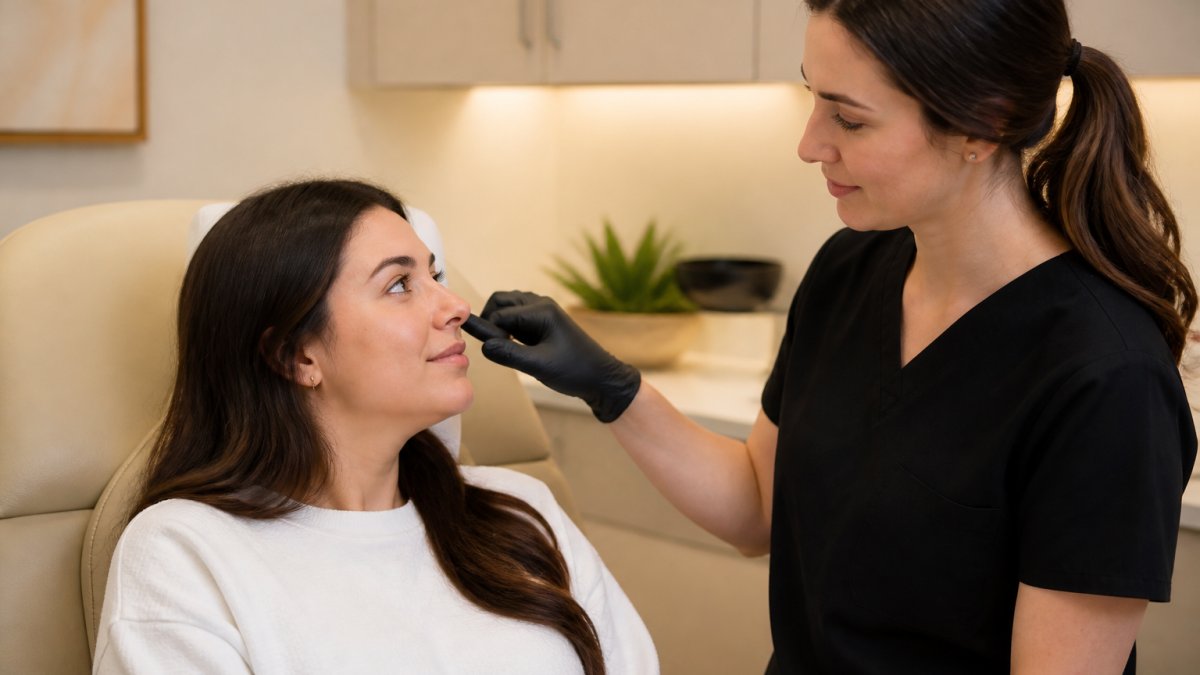
During consultation, pay attention to how the provider communicates. Do they listen to your concerns, or do they push their preferred approach? Do they explain things in language you understand, or do they use jargon without clarifying? A good provider educates you and respects your autonomy.
Botox Pricing and Treatment Plan: Understanding Costs and Customization
Pricing structures for Botox vary widely, and understanding how providers charge helps you compare options fairly and avoid surprise costs.
Many providers charge per unit, meaning you pay a set price multiplied by the number of units used. This model creates anxiety because you don't know your total cost until after treatment.
Ask providers directly: How do you charge? Is it per unit, per area, or flat-rate?
Understand what's included. Does the price cover a follow-up touch-up if you want adjustment? Some providers include one complimentary touch-up; others charge for adjustments. Get this in writing.
At Get Tox’d, we believe aesthetic treatments should come with straightforward pricing. Our flat-rate approach means no per-unit pricing or hidden fees, so you know what to expect upfront. We also offer complimentary touch-ups for eligible treatment areas within our designated follow-up window.
Looking to make your treatments more affordable over time? Our membership is another option to consider. With member pricing and convenient payments, it can help make regular treatments easier to plan for. Ask our team about membership options and benefits to see if one is right for you.
Pricing also reflects the provider's qualifications and experience. Higher cost doesn't always mean better results, but significantly lower prices sometimes indicate less experience or lower overhead, which might correlate with less personalized care.
Red Flags: Warning Signs of an Unqualified Injector
Certain behaviors and claims should immediately disqualify a provider from consideration.
If a provider can't or won't verify their credentials, walk away. Legitimate providers have nothing to hide.
Beware of providers who minimize risks or guarantee results.
If a provider uses significantly lower pricing than competitors, ask why. Are they using counterfeit or expired product? Are they undertrained and building volume to gain experience?
Avoid providers who pressure you into larger treatments than you want or need. A good injector respects your preferences and starts conservatively.
If the facility looks unsanitary, unprofessional, or operates from an unusual location like a home or unmarked office, reconsider.
Finally, if a provider can't explain their technique or approach to your face, that's concerning.
Finding the right licensed medical provider for Botox means taking time to verify credentials, ask detailed questions, and assess whether the provider prioritizes your safety and natural results.
Frequently Asked Questions
Who is qualified to administer Botox injections?
Botox can be administered by licensed medical providers, including physicians, nurse practitioners, physician assistants, and registered nurses working under medical supervision. The specific qualifications and scope of practice vary by state. A qualified injector should have formal clinical training in facial anatomy, injection technique, and patient safety. Always verify that your provider holds an active license in your state and has documented experience with cosmetic injections before booking treatment.
How can I verify a licensed medical provider's credentials?
Check your state's medical board website to confirm the provider holds an active license and has no disciplinary history. For physicians, verify board certification through the American Board of Medical Specialties (ABMS). Ask the provider directly about their clinical training, years of experience, and any specialized certifications in aesthetic medicine. Request to see before-and-after photos of their work and ask for patient references. Licensed medical providers should be transparent about their qualifications and happy to discuss their background.
What questions should I ask during a Botox consultation?
Ask about the provider's experience with your specific concerns (cosmetic wrinkles, jaw tension, or excessive sweating). Inquire about their injection technique, how they customize dosing for your facial anatomy, and what results you can realistically expect. Ask about the consultation process, whether a facial assessment is included, and how they handle touch-ups or adjustments. Discuss pricing structure, what is included in the treatment plan, and any aftercare instructions. A thorough consultation with a qualified professional should address all your concerns before treatment begins.
What should I look for in a Botox treatment plan?
A solid treatment plan should include a detailed facial assessment, customized dosing recommendations based on your anatomy and goals, specific treatment areas identified, expected results timeline, and follow-up care details. The plan should address your concerns transparently, whether you're seeking wrinkle reduction, jaw tension relief, or hyperhidrosis treatment. Pricing should be clearly outlined upfront with no hidden fees. A qualified provider will explain how results develop over time and discuss maintenance frequency. Ask for the plan in writing so you have a reference for future appointments.