 how-to
How to Prepare for Your First Botox Appointment
Table of Contents
- Why Preparation Makes Your First Botox Appointment Better
- What to Expect at Your First Botox Appointment
- What to Avoid Before Botox: Alcohol, Blood Thinners, and Exercise
- Questions to Ask Before Getting Botox
- How Long Does Botox Take to Work?
- Preparing Your Skin, Your Timeline, and What to Bring
- Conclusion
- Frequently Asked Questions
Last Updated: October 18, 2026
Why Preparation Makes Your First Botox Appointment Better
Getting Botox for the first time can come with a lot of questions. Knowing what to expect, how to prepare, and what to ask your provider can help you feel more confident before your appointment.
Botox is a prescription treatment made from botulinum toxin that relaxes specific facial muscles to soften lines. It's not a facial or a filler, and it isn't a one-size-fits-all dose.
There's no single official checklist every clinic follows. Guidance on alcohol, blood thinners, and exercise varies between providers, so treat the advice below as a starting point for a conversation, not a rulebook.
What to Expect at Your First Botox Appointment
Your first Botox appointment is mostly a conversation, not a procedure, expect to spend more time on goals and health history than the injections themselves.
Here's the typical flow:
- Paperwork and medical history review
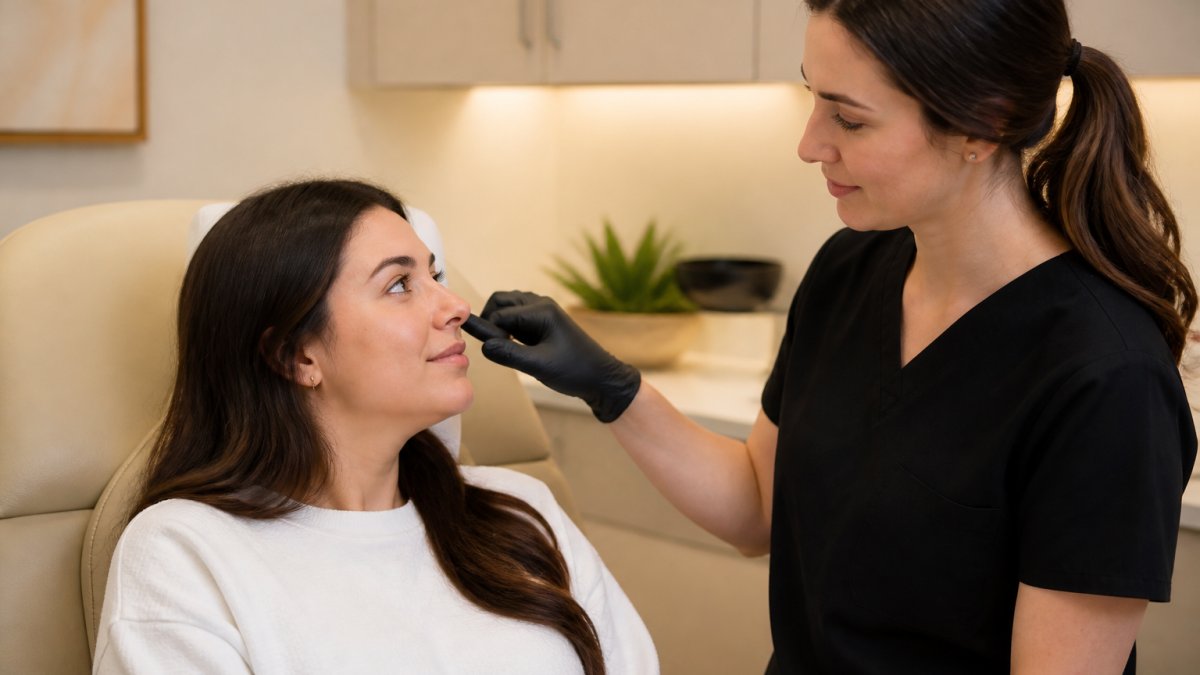
- A face-to-face consultation with your provider
- A treatment plan and cost discussion
- Cleansing the skin and marking injection sites
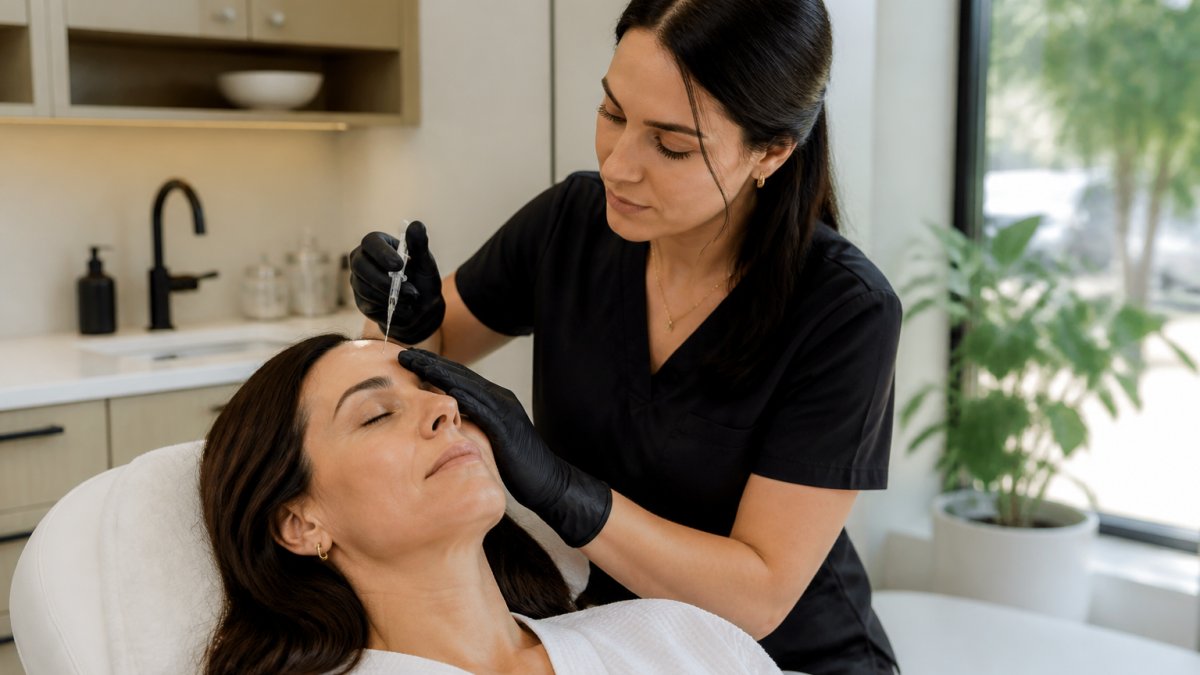
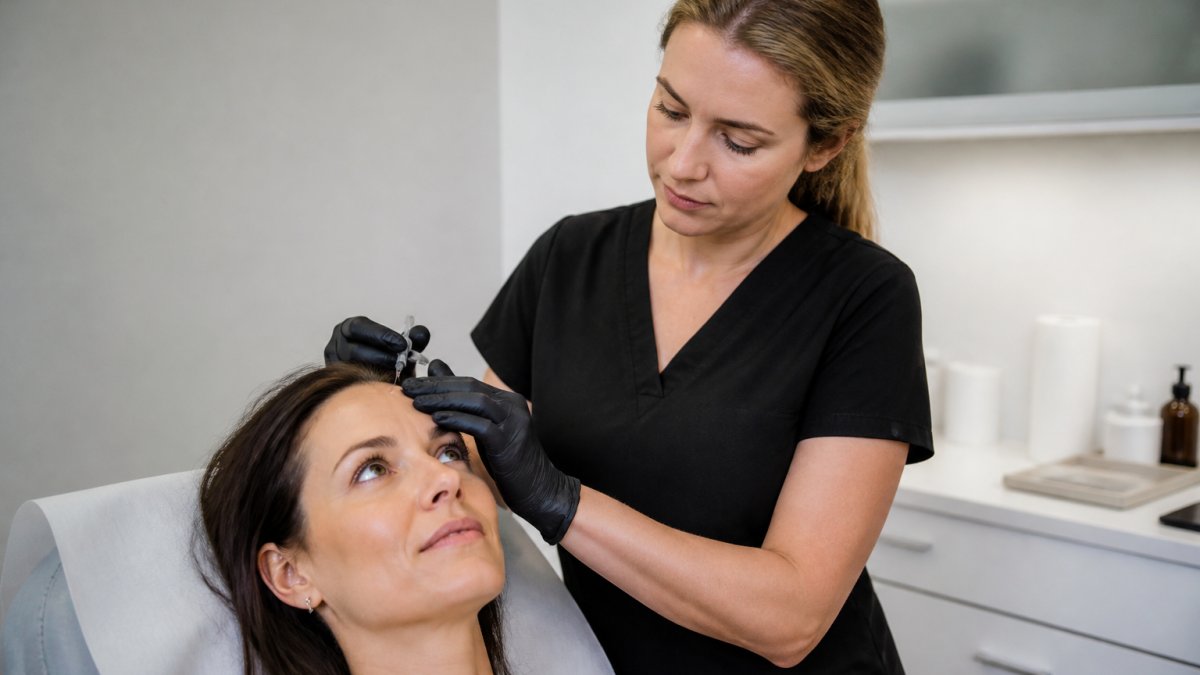
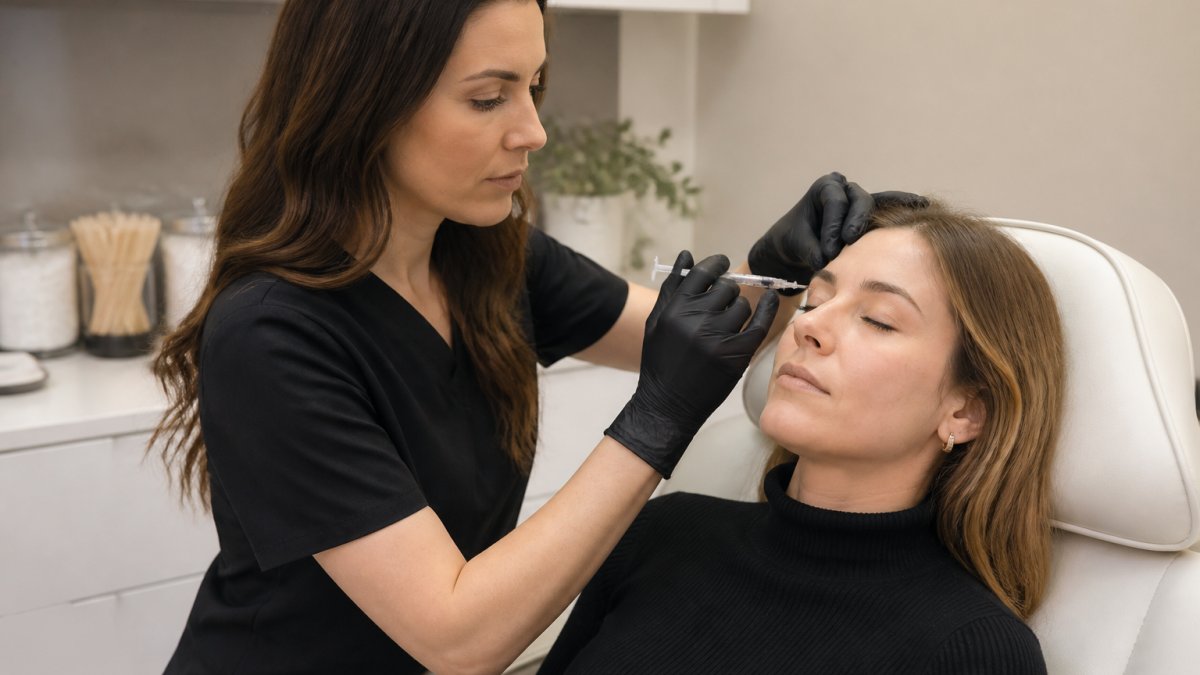
- The injections, using fine needles
- Brief aftercare instructions before you leave
The injections are quick. The consultation is where the real decisions happen.
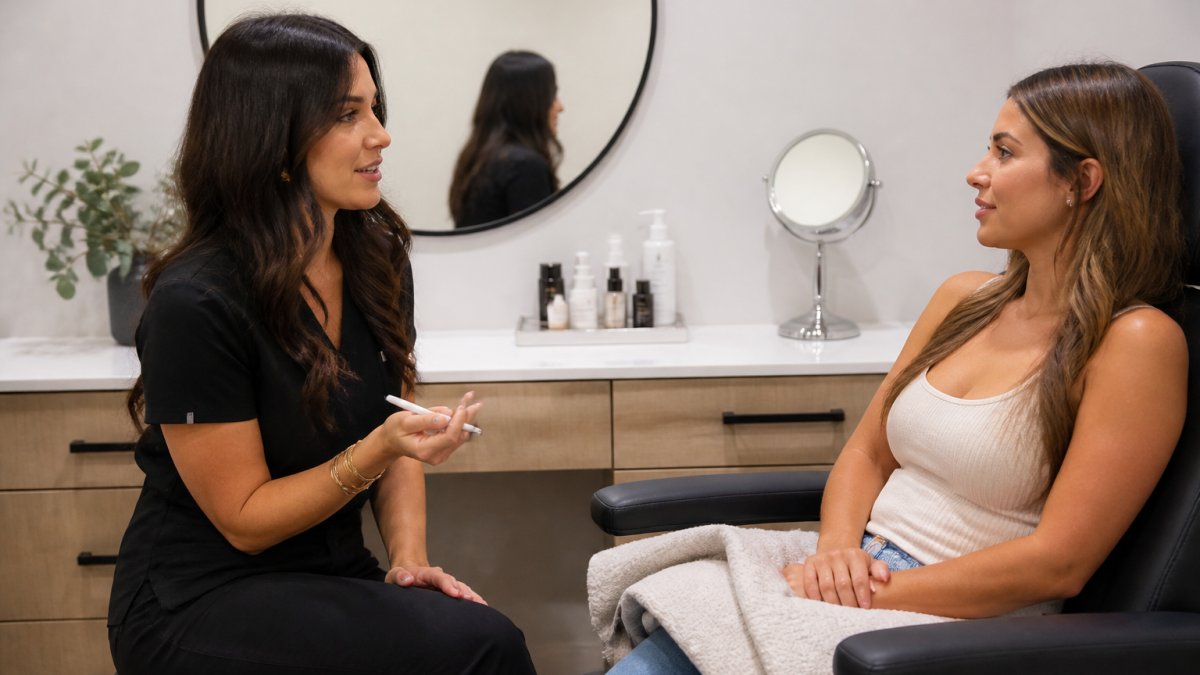
Consultation and Setting Treatment Goals
The consultation is where you and your provider decide what "good" looks like for your face. Bring specific goals: "I want the lines between my brows softened without losing expression" gives your provider more to work with than "I want to look less tired."
This is also when you disclose your full medical history. Be upfront about:
- All medications, including over-the-counter ones
- Supplements and vitamins
- Prior cosmetic treatments
- Pregnancy or breastfeeding status
- Any neuromuscular or bleeding conditions
Your provider uses this to decide whether treatment is appropriate and how to dose it. A detail you think is minor could change the plan.
The Injection Session and Choosing Treatment Areas
Treatment areas usually include forehead lines, the frown lines between the brows (glabellar lines or "11 lines"), and crow's feet. Your provider will map these out and explain what each area can and can't do. The goal isn't to change the way you look. It's to create a treatment plan that works with your facial anatomy and personal goals, while maintaining a natural-looking appearance.
What to Avoid Before Botox: Alcohol, Blood Thinners, and Exercise
Generic guides do the most damage here, presenting clinic-specific preferences as universal rules. Guidance on alcohol, blood thinners, and exercise varies by provider, product, and health history. The goal isn't a rulebook, it's better questions and avoiding the one mistake that matters: changing a prescribed medication on your own.
Why these restrictions exist at all
Botox is injected into facial muscles with a very fine needle. Preparation mainly aims to reduce bruising and bleeding at injection sites, plus, for exercise, swelling and the theoretical concern that vigorous activity could move product before it settles. These are precautionary: most practitioners find the bruising risk from a single glass of wine is small, and evidence behind strict exercise bans is limited.
Alcohol
A common recommendation is to skip alcohol for about 24 hours before treatment, since alcohol can thin the blood and increase bruising. Some providers extend that to a couple of days; others don't mention it. Heavy drinking the night before is most worth avoiding, it also leaves you dehydrated and more prone to feeling faint during injections.
Blood thinners and pain relievers
This is the part to read twice. Never stop a prescribed blood thinner, anticoagulant, or antiplatelet medication on your own to prepare for Botox. That includes warfarin, apixaban, rivaroxaban, dabigatran, clopidogrel, and daily aspirin prescribed for heart or stroke risk.
The right move is to tell your injector exactly what you take and let them coordinate with your prescriber if a change is even worth considering. Often the answer is simply to proceed and accept a little more bruising.
Supplements
Some supplements may affect bleeding or bruising, so it's important to share everything you take with your provider before treatment. Fish oil, vitamin E, ginkgo biloba, garlic, ginger, turmeric, some herbal blends, and high-dose niacin can all affect bleeding. Bring a written list with doses, "I take a few things" is not something your injector can act on.
Exercise
Many providers suggest skipping strenuous activity for about a day before and after treatment to reduce swelling and bruising, plus the idea that a hard workout right after injections could theoretically affect how the product settles. A walk is not the concern; heavy lifting or hot yoga is. If you're training for something, tell your injector and plan around it.
Book now your FREE consultation →
Questions to Ask Before Getting Botox
The best-prepared patients ask direct questions. Worth raising:
- What are your credentials, and who supervises treatment?
- Which product will you use, and how many units do you expect?
- What's the total cost, and is it flat-rate or per unit?
- What happens if I'm not happy with the result?
- Do you offer touch-ups, and are they included?
- What are the realistic risks and side effects?
- How should I prepare, given my medications and health history?
Credentials matter. Ask whether your injector is a licensed medical professional and what training they have. A trustworthy provider answers without flinching.
At Get Tox'd, our treatments are performed by licensed medical professionals, and we price by treatment area rather than by unit. That means the number you're quoted is the number you pay, with no surprise charges if your face needs more product than expected.
How Long Does Botox Take to Work?
Botox doesn't work overnight. Most people notice changes within a few days, with the fuller effect around two weeks after treatment.
Here's a realistic timeline:
- Days 1-3: Little visible change; mild swelling or redness may fade
- Days 4-7: Early softening of treated lines
- Around two weeks: The full result is usually visible
- Follow-up: Many providers check in around the two-week mark
That two-week window is why providers often schedule a follow-up: if an area needs a small adjustment, it's easier to judge once the product has settled. Ask upfront whether touch-ups are included or cost extra. Results aren't permanent, most people return for maintenance every few months, though duration varies.
Preparing Your Skin, Your Timeline, and What to Bring
Here's a realistic timeline you can plan around, plus the short list that makes the visit go smoothly.
A realistic appointment timeline
A first Botox visit typically runs longer than a follow-up because of the consultation. Plan for roughly 45 to 60 minutes total, with injections taking only a few minutes:
- Arrival and check-in (5-10 minutes): paperwork, consent forms, and medical history review. Arrive a few minutes early so you're not rushed.
- Consultation (15-25 minutes): a face-to-face conversation about your goals, your health history, and which areas to treat. This is the longest part of a first visit.
- Plan and cost discussion (5-10 minutes): what will be treated, how much product is expected, and what it costs. Ask about touch-up policy here, not after.
- Cleansing and marking (5 minutes): your provider cleans the skin and marks injection points, often with a removable marker.
- Injections (5-10 minutes): quick, with fine needles. Most people describe it as a series of small pinches.
- Aftercare instructions (5 minutes): what to do, and not do, for the rest of the day.
If your provider takes before-and-after photos, that adds a few minutes, photos help both of you judge results at the two-week follow-up.
The day of: skin, makeup, and food
- Come with a clean face if you can. Your provider will cleanse the area anyway, but arriving bare-faced saves time and makes marking easier.
- Skip harsh skincare actives like retinoids or strong exfoliants on the day of treatment if your skin is sensitive, irritated skin is more uncomfortable to inject.
- Eat and hydrate normally. There's no fasting requirement; skipping meals is more likely to leave you lightheaded than to help.
- Skip the gym beforehand if you follow the exercise guidance above, and avoid a heavy workout right after.
What to bring
- A written medication and supplement list with doses, the single most useful thing you can bring.
- Your questions, written down. It's easy to forget them once you're in the chair.
- A payment method. Cosmetic Botox is typically paid at the visit and not covered by insurance; ask about payment plans if cost is a concern.
- Your insurance card only if relevant, usually not for cosmetic treatment, but bring it if discussing a medical indication such as jaw tension or excessive sweating.
- A list of prior cosmetic treatments, including when and where, if you've had fillers, Botox, or other injectables before.
Planning around events
Give yourself at least two weeks between treatment and any big event, a wedding, photo shoot, or major presentation. That window lets you see the full result, gives bruising time to fade, and leaves room for a follow-up adjustment. Scheduling Botox the week of an event is the most common planning mistake first-timers make.
Conclusion
The unknown is what makes a first Botox appointment feel intimidating. A little preparation turns it into a straightforward conversation about your goals, your health, and what to expect.
At Get Tox’d, we keep things simple with flat-rate pricing by treatment area, unlimited units included, and consultations at every visit. Your treatment plan is personalized to you, so you know what to expect before getting started. Also we offer free touch-ups with main treatments, and care from licensed medical professionals.
Ready to stop guessing? Ask about The Tox'd Club and book a free consultation to plan your first visit with confidence.
Frequently Asked Questions
What should I avoid before a Botox appointment?
Common guidance is to skip alcohol for about 24 hours before treatment and to avoid strenuous exercise on the day of your appointment, since both can increase blood flow and bruising risk. Ask your provider about aspirin, fish oil, and other blood thinners, and never stop a prescribed medication on your own. Keep your face clean and skip makeup where possible. Your provider can give you instructions tailored to your medical history.
How long does Botox take to work?
Botox does not work instantly. Most people start noticing reduced movement in the treated area within 3 to 5 days, with the full effect typically visible around two weeks after injection. That is why many providers schedule a follow-up at the two-week mark to assess results and decide whether a touch-up is needed. Individual onset can vary based on treatment area, dose, and your own muscle activity.
How painful is Botox for the first time?
Most people describe Botox injections as brief, mild pinches rather than significant pain. Fine needles are used, and each injection takes only seconds. Some providers offer ice or a topical numbing option if you are nervous. Mild redness, swelling, or small bumps at the injection sites are common right after treatment and usually fade within hours to a few days. Tell your injector if you are anxious so they can pace the appointment.
What questions should I ask before getting Botox?
Ask who will perform the injections and what their credentials are, which product they plan to use and why, how many units or what flat rate applies, and what happens if you need a touch-up. Also ask about aftercare instructions, expected onset and duration of results, and how to reach the provider if you have swelling or other concerns. Clear answers on cost and follow-up planning help you avoid surprises.