
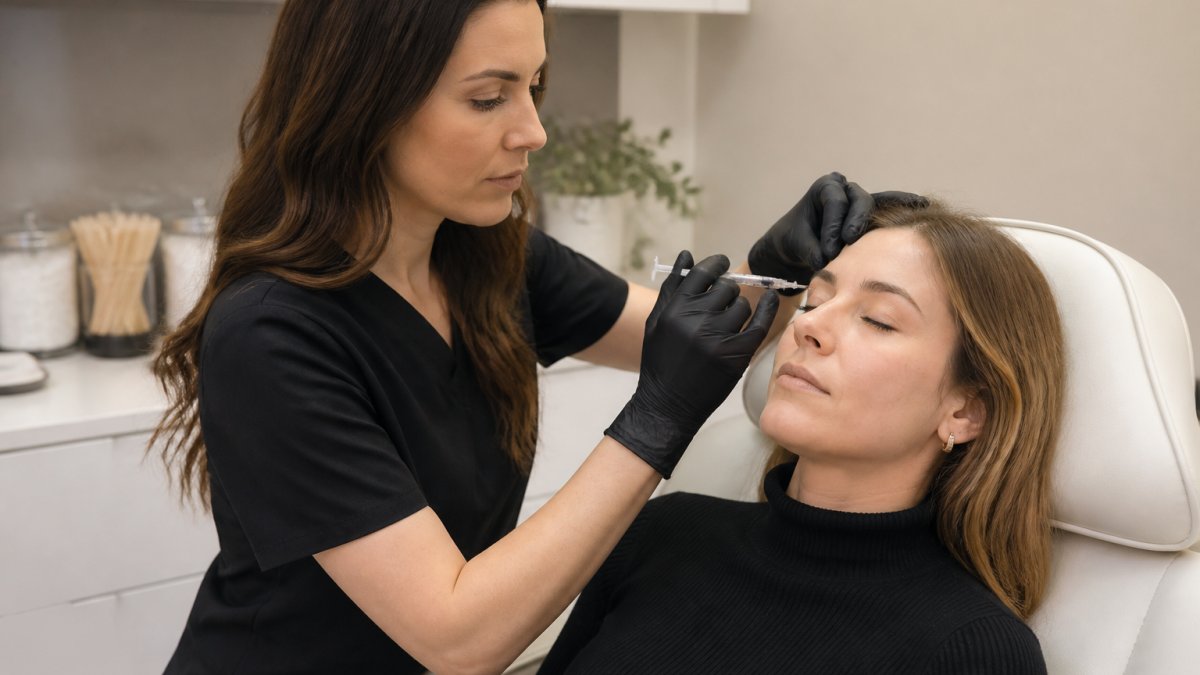
 how-to
How to Avoid Frozen Botox Face: A Step-by-Step Guide
Table of Contents
- What Causes a Frozen Botox Look
- How to Choose a Botox Injector Who Prioritizes Your Goals
- The Role of Dosage and Unit Placement in Natural Results
- Baby Botox vs. Traditional Botox: Finding Your Right Dose
- Achieving Natural-Looking Botox Results Through Consultation
- How Long Does Botox Last and What Happens After
- Post-Injection Behavioral Factors and Correction Protocols
- Common Misconceptions About Botox and Facial Movement
- Frequently Asked Questions
Last Updated: September 30, 2026
What Causes a Frozen Botox Look
To avoid frozen botox face, you need to understand that a frozen Botox look results from too much neurotoxin, poor placement, or both. Your facial muscles can't move naturally, creating a stiff, expressionless appearance. Overtreatment and inexperienced injector technique are the main culprits, the product spreads beyond intended areas or lands in wrong injection sites. The good news: it's entirely preventable by choosing a skilled injector and getting the right dose for your face.
How to Choose a Botox Injector Who Prioritizes Your Goals
Your injector makes all the difference. Start by verifying they're a licensed medical professional with substantial training and experience, not someone who completed a weekend course.
Look for injectors who ask detailed questions: what bothers you, what results you want, how much movement you want to keep, and your Botox history. An injector who listens won't overtreat you.
Ask to see before-and-after photos showing facial movement, if every photo is completely smooth and immobile, that's a red flag. Check patient reviews for comments on natural-looking results and whether the injector listened during consultation.
At Get Tox'd, our licensed medical professionals take time to understand your facial anatomy and your goals. We dose based on your specific face, not a standard unit amount. That's how we deliver natural-looking results without the frozen look.
The Role of Dosage and Unit Placement in Natural Results
Dosage is the single most important factor in avoiding a frozen look. The right amount depends on your facial anatomy, muscle strength, and goals, it's highly individual.
Understanding Unit Dosage by Treatment Area
Unit dosage varies significantly by treatment area because different facial muscles have different sizes, strengths, and functions.
How Facial Anatomy and Muscle Strength Determine Your Dosage
Muscle strength assessment: A skilled injector evaluates your muscle strength by asking you to raise eyebrows, frown, squint, and smile. Strong muscles that create deep wrinkles may need more units; delicate muscles may need fewer.
Facial structure variation: Bone structure, fat distribution, and skin thickness affect dosing. A broad forehead with strong muscles needs different dosing than a narrow forehead with delicate features.
Metabolism and sensitivity: Some people metabolize neurotoxin quickly and may need higher doses; others are highly sensitive. Your injector should ask about your metabolism and prior treatments. Age and skin elasticity: Younger patients with better elasticity often need fewer units; older patients may need slightly higher doses.
Injection Site Placement and Muscle Targeting
Injection site placement matters just as much as dosage. If units go into the wrong muscles, they'll block movement you need or create asymmetry.
Forehead placement: Exact location matters. Too high causes eyebrow drop; too low creates a surprised look. Skilled injectors place units to lift the brow slightly while relaxing forehead lines.
The Diffusion Factor: Why Placement Depth Matters
The neurotoxin blocks acetylcholine at the neuromuscular junction and settles over 2 weeks. Superficial injection is more precise but requires more injections; deeper injection affects a larger area but is less precise and can diffuse into unintended muscles. Skilled injectors adjust depth based on the muscle and desired result.
Red Flags That Dosage Is Wrong
Too much product:
Book now your FREE consultation →
- You cannot move treated muscles at all
- Your eyebrows droop or feel heavy
- Your eyes feel tired or droopy
- Your smile looks asymmetrical
- Your face feels stiff or mask-like
Too little product:
- You see no change in wrinkles after 2 weeks
- You can still create deep wrinkles when you move
- Results are asymmetrical (one side relaxed, one side still moving)
A consultation with a skilled injector should include a detailed discussion of what dosage is right for your specific face, not a generic recommendation based on age or area alone.
Baby Botox vs. Traditional Botox: Finding Your Right Dose
Baby Botox uses fewer units to soften dynamic wrinkles while preserving movement, good for prevention or if you've had overtreatment. Traditional Botox uses higher doses for deeper lines and more dramatic results. The right choice depends on your goals and facial anatomy. The product itself matters less than how it's dosed and placed.
Achieving Natural-Looking Botox Results Through Consultation
A great consultation sets you up for success. This is where your injector learns about your goals and assesses your facial anatomy.
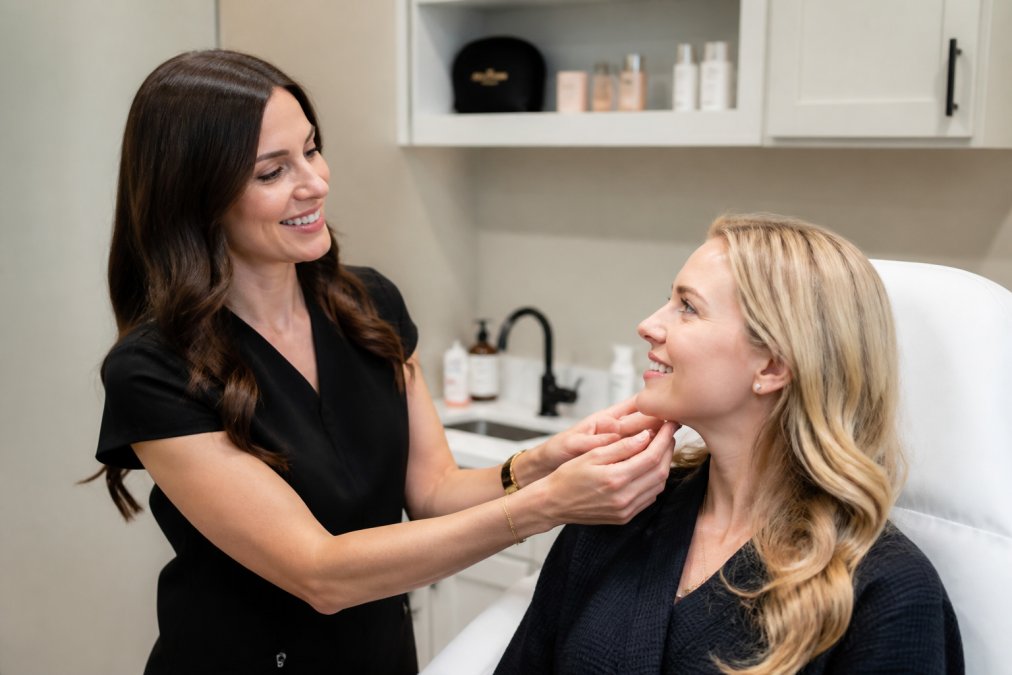
Questions to Ask Your Injector
Ask: How many units do you recommend and why? How will it affect my movement? What if I'm unhappy? Do you offer touch-ups? What should I avoid after? How often will I need retreatment? A good injector welcomes questions and doesn't rush.
Setting Realistic Expectations
Results develop gradually over 7-14 days, with full results at 2 weeks. You should still move treated muscles, if you can't raise eyebrows, frown, or squint, you're overinjected. Natural results mean your face still looks like you, with softened wrinkles, not a mask. Be realistic: you won't look 25 again, but you can look refreshed.
How Long Does Botox Last and What Happens After
Results typically last 3-4 months, depending on metabolism. Muscles gradually regain function as the product breaks down. Touch-ups around the 3-month mark maintain results. If you stop, muscles return to normal with no rebound effect or permanent damage.
Post-Injection Behavioral Factors and Correction Protocols
What you do after injection directly affects how the neurotoxin settles. Patient behavior in the first 48 hours is critical to avoiding a frozen appearance.
Why Post-Injection Behavior Matters
During the first 24-48 hours, the product is still mobile. Physical activity, gravity, and muscle movement cause diffusion into unintended areas, a common reason for frozen results. Intense exercise within 4 hours accelerates diffusion; lying down pulls product downward; rubbing causes lateral diffusion into neighboring muscles.
Specific Post-Injection Precautions and Their Purpose
First 4 hours: Stay upright to prevent gravity-driven migration. First 24 hours: Don't massage, rub, or apply pressure to sites. First 24-48 hours: Avoid intense exercise, saunas, hot yoga, alcohol, and blood-thinning supplements. First 2 weeks: Avoid heat-based facial treatments. These precautions are critical to natural-looking results.
What to Do If You Feel Frozen: Correction Protocols
If results feel too frozen, correction is possible. Results develop for 14 days, so resist panicking at day 3, many settle into natural appearance by day 14. At the 2-week mark, your injector can assess whether the issue is overtreatment, poor placement, or asymmetry.
Red Flags That Indicate Overtreatment Requiring Correction
- You cannot raise your eyebrows at all (complete frontalis paralysis)
- Your eyebrows droop noticeably (brow ptosis)
- You cannot frown or create any movement between your eyebrows
- Your eyes feel heavy or your eyelids feel droopy
- Your smile looks asymmetrical or lopsided
- You cannot squint or close your eyes fully
- Your face feels numb or tingly beyond the injection sites
If you experience any of these symptoms beyond the first week, contact your injector immediately. Do not wait for results to "settle." These are signs that correction may be needed.
Common Misconceptions About Botox and Facial Movement
Myth: Botox makes your whole face numb. Truth: Botox only affects the muscles where it's injected. You'll still feel sensation everywhere. You might not be able to move certain muscles, but you can feel touch and temperature normally.
Misconception | Reality | What It Means for You |
|---|---|---|
Botox makes your whole face numb | Only injected muscles are affected | You'll feel sensation everywhere |
Results are permanent | Results fade over 3-4 months | You can stop anytime without lasting effects |
You need Botox to prevent wrinkles | It's one option among many | You have choices about your approach |
Botox makes you emotionless | Proper dosing preserves expression | A frozen look means overtreatment |
All injectors are the same | Skill varies dramatically | Choosing the right injector is critical |
More units = better results | Right dose for your face is best | Too many units cause frozen look |
Frequently Asked Questions
How long does the frozen feeling last after Botox?
The sensation of stiffness or heaviness typically subsides within 2-3 weeks as your facial muscles adjust to the neurotoxin. Full results appear around day 7-14, and by week 3-4, most patients report feeling completely natural. If you experience prolonged tightness beyond 4 weeks, contact your injector about adjustment options or correction protocols.
Can you still have facial expressions after Botox if dosed correctly?
Yes. Properly dosed Botox softens dynamic wrinkles caused by facial movement while preserving your ability to express emotion. The goal is wrinkle softening, not paralysis. Your injector should preserve movement in the frontalis, corrugator muscles, and other key areas. If you cannot raise your eyebrows, smile, or frown at all, you've received too much—discuss correction options with your provider.
How long does Botox last, and does that affect the frozen look?
Botox results typically last 3-4 months. As the neurotoxin metabolizes, your facial muscles gradually regain function and expression returns naturally. The frozen appearance diminishes as the effects wear off. Regular touch-ups help maintain consistent, natural-looking results without the buildup that can lead to overtreatment. Spacing treatments appropriately prevents the appearance of chronic stiffness.
What should I do if I already have a frozen look from Botox?
First, schedule a consultation with your injector to discuss correction protocols. Options include waiting for the effects to wear off naturally (3-4 months), adjusting your next dose lower, or using targeted touch-ups to restore asymmetry and movement. If you're unhappy with your current provider, a qualified injector experienced in correcting overtreatment can assess your facial anatomy and create a plan to restore natural expression at your next appointment.
Avoiding a frozen Botox face comes down to one thing: choosing an injector who understands your face and respects your goals. Get Tox'd's licensed medical professionals customize dosing based on your unique facial anatomy. We use the flat-rate model so you never worry about hidden unit charges. Free touch-ups mean you can refine results without extra cost. Ask about the Tox'd Club for ongoing aesthetic care with membership savings.