 comparison
Natural Alternatives to Botox for Tension Headaches
Last Updated: October 23, 2026
Quick Summary
Natural alternatives to Botox for tension headaches include daily neck stretches, massage, stress management, and carefully chosen supplements. Botox is not FDA-approved for routine tension-type headache and is generally reserved for chronic migraine or selected difficult cases, so get a clear diagnosis before paying for any procedure.
- A 5-minute daily routine of chin tucks, side neck stretches, shoulder rolls, and upper trap stretches can ease tightness.
- Massage sessions typically cost roughly $60-$120 and focus on releasing trigger points in the neck, shoulders, and jaw.
- Magnesium has modest evidence for tension headache, with studied doses around 200-400 mg elemental magnesium daily.
- Avoid butterbur and feverfew in pregnancy, and check with a pharmacist before combining supplements with blood thinners.
- Seek urgent care for a sudden severe headache with fever, confusion, weakness, vision changes, or after head injury.
Table of Contents
- Why People Look for Natural Alternatives to Botox for Tension Headaches
- How Natural Options Compare to Botox for Tension Headaches
- Neck Stretches for Tension Headaches: Simple Moves That Ease Muscle Tension
- Massage for Tension Headaches: Manual Therapy and Trigger Point Work
- Stress Management for Headaches: Calming the Nervous System
- Supplements for Tension Headaches: What the Evidence Says
- Safety, Contraindications, and Red Flags to Know
- Conclusion
- Frequently Asked Questions
Why People Look for Natural Alternatives to Botox for Tension Headaches
[Tension headaches](https://blog.gettoxd.com/botox-for-chronic-tension-headaches-complete-guide) are the most common type of headache, and many people who get them regularly start looking for options that don't involve a needle.
The honest answer is that natural approaches can help, especially for mild to moderate cases driven by stress, posture, and tight muscles. They won't erase every headache, and they won't work overnight.
A useful starting definition: a tension headache is a dull, pressure-like pain, often on both sides of the head, caused by tightness in the muscles of the scalp, neck, and jaw.
How Natural Options Compare to Botox for Tension Headaches
What Botox is actually approved and used for
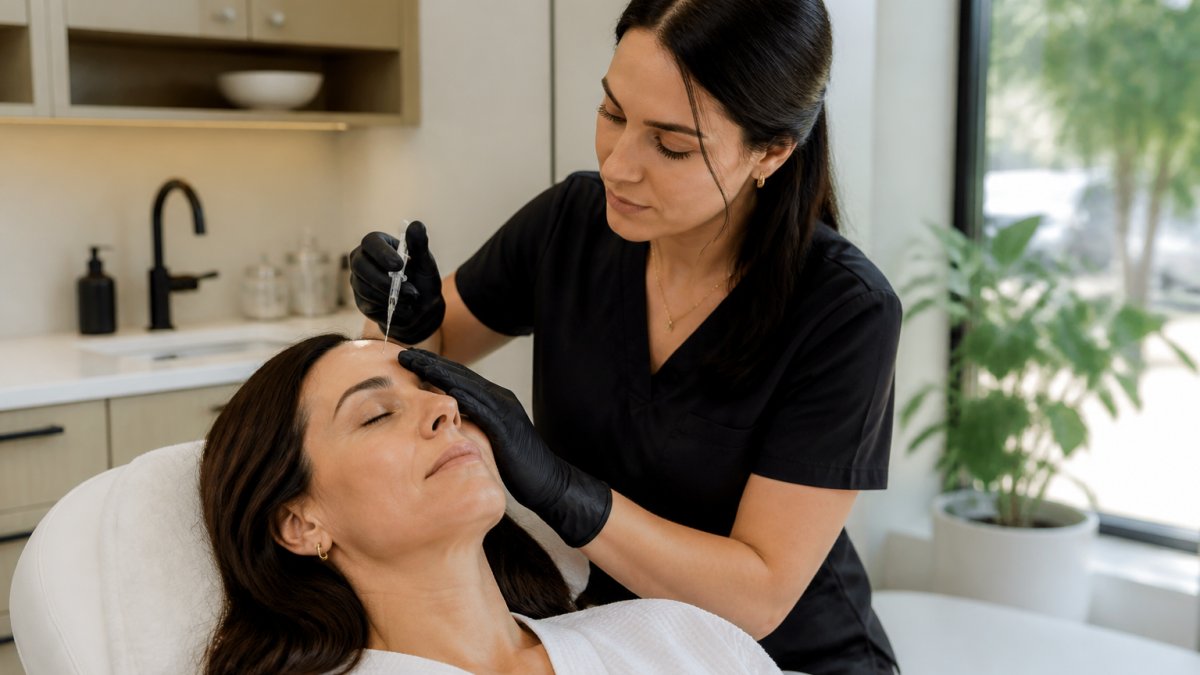
OnabotulinumtoxinA (Botox) carries FDA approval for chronic migraine, generally defined as 15 or more headache days per month, with at least 8 migraine days, in adults. It is not FDA-approved for episodic tension-type headache, and clinical guidance does not position it as a first-line or routine option for tension headaches. A clinician may consider it in selected patients with frequent, disabling headaches where muscle tension is a major driver, but that is an off-label, case-by-case decision. Botox isn't a standard treatment for tension headaches, and a medical evaluation can help determine whether it's appropriate for you.
Botox works by temporarily blocking acetylcholine release at the neuromuscular junction, which reduces contraction in the specific muscles injected (pubmed.ncbi.nlm.nih.gov). Effects build over days to weeks, typically last around three months, and require repeat sessions. It is a clinical procedure with real considerations: provider skill, injection-site effects, and cost.
Side-by-side comparison
Factor | Neck stretches | Massage | Stress management | Supplements | Botox |
|---|---|---|---|---|---|
Typical cost | Free | Roughly $60-$120 per session, varies widely by region and therapist | Free to low-cost (apps, classes) | Varies by product; a month's supply commonly runs from about $10 to $40 | Often several hundred dollars per treatment session; insurance coverage varies and frequently requires documented chronic migraine |
Access | Anywhere | Licensed massage therapist | Anywhere | Retail or online | Licensed medical provider only |
Frequency | Daily | As needed, often weekly to monthly | Daily to weekly practice | Daily dosing | Roughly every 12 weeks |
Onset of benefit | Minutes to days | Immediate to hours | Weeks | Weeks | Days to weeks |
Evidence strength | Moderate for reducing tension-type headache frequency with regular practice | Moderate for short-term relief | Moderate for stress-related headache | Mixed and ingredient-specific | Established for chronic migraine; limited for tension-type headache |
Main limitation | Requires consistency | Temporary; cost adds up | Slow; not a rescue tool | Interaction and quality concerns | Not indicated for routine tension headache; cost; procedure risk |
How to read that table
The honest framing is speed versus durability versus evidence. Stretching and massage give fast, low-risk relief but need repetition. Stress management and supplements work slowly and depend on consistency.
A practical sequence many clinicians support: start with the low-risk, low-cost basics (posture, stretching, sleep, stress), add targeted manual therapy if muscles stay tight, and reserve procedural options for frequent, disabling headaches after a proper evaluation.
Neck Stretches for Tension Headaches: Simple Moves That Ease Muscle Tension
Neck stretches for tension headaches target the muscles most often responsible for that band-like pressure: the upper neck, shoulders, and base of the skull. A few minutes of gentle movement each day can ease tightness and improve mobility.

A 5-Minute Daily Stretch Routine
- Chin tuck (1 minute): Sit tall, gently draw your chin straight back. Hold 5 seconds, repeat.
- Side neck stretch (1 minute per side): Tilt your head toward one shoulder until you feel a light stretch. Don't pull hard.
- Shoulder rolls (1 minute): Roll shoulders slowly backward, then forward.
- Upper trap stretch (1 minute per side): Gently lower one ear toward the shoulder, hand resting lightly on your head.
Move slowly and stop if anything hurts. Stretching should feel mild, never sharp.
Massage for Tension Headaches: Manual Therapy and Trigger Point Work
Massage for tension headaches focuses on releasing trigger points, the tender knots in the neck, shoulders, and jaw that can refer pain into the head. Manual therapy from a trained therapist can ease muscular tightness, and self-massage gives you a tool you can use anytime.
Self-Massage Techniques for Temples and Neck
- Temples: Use your fingertips to make small circles at the temples with light pressure for 30 to 60 seconds.
- Base of skull: Press gently where the skull meets the neck, holding tender spots for several seconds.
- Neck and shoulders: Massage gently down the sides of the neck and across the shoulders, working slowly.
A common mistake is pressing too hard. Trigger point work should feel like a firm, tolerable pressure, not pain.
Stress Management for Headaches: Calming the Nervous System
Stress management for headaches addresses the root driver for many people: a nervous system stuck in high alert. When stress stays elevated, muscles stay tense, and tension headaches become more frequent.
Book now your FREE consultation →
Approaches that many people find helpful include slow breathing exercises, progressive muscle relaxation, and short daily mindfulness sessions. Even 10 minutes of deliberate calm can lower muscle tension.
The goal isn't perfection. It's reducing the baseline stress load so your muscles aren't constantly braced.
Supplements for Tension Headaches: What the Evidence Says
Most roundups lump every supplement together as 'may help.' That is not useful when you are deciding what to spend money on. This section grades the common options by evidence strength, names the mechanism, and flags the interactions that matter.
Evidence at a glance
Supplement | Proposed mechanism | Evidence for tension-type headache | Practical notes |
|---|---|---|---|
Magnesium | Involved in muscle relaxation and nerve signaling | Modest; studied more for migraine, some support for tension headache | Common dose range in studies is roughly 200-400 mg elemental magnesium daily; can cause loose stools |
Riboflavin (vitamin B2) | Supports mitochondrial energy metabolism | Weak for tension headache; better studied in migraine | Generally well tolerated; turns urine bright yellow |
Coenzyme Q10 | Mitochondrial energy support | Weak for tension headache; migraine-focused | Can interact with blood thinners |
Butterbur | Anti-inflammatory | Some positive trials, but liver-safety concerns | Use only PA-free (pyrrolizidine alkaloid-free) products; avoid in liver disease and pregnancy |
Feverfew | Anti-inflammatory | Mixed; more migraine than tension headache | Can interact with blood thinners; avoid in pregnancy |
Melatonin | Sleep and circadian regulation | Limited; plausible where poor sleep drives headaches | Can cause drowsiness; interacts with sedatives and blood thinners |
What the grading means
'Modest' means some trials suggest benefit but results are inconsistent and often studied in migraine rather than tension-type headache. 'Weak' means the evidence is preliminary or extrapolated. None of these is a substitute for addressing posture, sleep, stress, and hydration, the factors most consistently linked to tension headaches.
Safety and interactions that actually matter
- Blood thinners (warfarin, apixaban, rivaroxaban and similar): feverfew, coenzyme Q10, and some herbal products can affect bleeding or clotting. Check before combining.
- Sedatives and sleep aids: melatonin adds to drowsiness.
- Pregnancy and breastfeeding: avoid butterbur and feverfew; confirm anything else with a clinician.
- Liver history: butterbur is off the table unless a clinician clears a PA-free product.
- Polypharmacy: if you take several prescriptions, run any new supplement past a pharmacist.
How to test a supplement sensibly
Start one at a time, at a studied dose, and give it several weeks before judging. Keep a simple headache log (date, severity, triggers) so you can tell signal from noise. Stop and seek advice if you notice new symptoms, stomach upset, or anything that could be an interaction. Buying from a reputable brand matters too, supplement quality and labeling are not guaranteed, so third-party-tested products are the safer bet.
Safety, Contraindications, and Red Flags to Know
Natural doesn't automatically mean risk-free. Strenuous neck stretching can aggravate an existing injury, deep massage isn't appropriate over inflamed or injured tissue, and some supplements interact with blood thinners or other medications.
Seek urgent medical care for a headache that is sudden and severe, comes with fever, confusion, weakness, vision changes, or follows a head injury. These are red flags that need evaluation, not home remedies.
If tension headaches are frequent or disruptive, a consultation with a licensed medical provider can clarify whether Botox or another treatment is appropriate.
Conclusion
Tension headaches respond well to consistent, low-risk habits: daily stretches, targeted massage, stress management, and careful supplement choices. They won't eliminate every headache, but they give you practical options to reduce frequency and intensity.
If tension headaches keep interfering with your day, Get Tox'd can help you understand your options. Our flat-rate pricing covers unlimited units, treatments are performed by licensed medical professionals, and free touch-ups are included with main treatments. Ask about The Tox'd Club and get started with a free consultation.
Frequently Asked Questions
What are the best natural alternatives to Botox for tension headaches?
The most practical natural options include neck stretches, massage for tension headaches, stress management techniques like breathing exercises, and supplements such as magnesium or riboflavin. Heat therapy, acupuncture, and acupressure also have some supporting evidence. None of these works instantly, and results vary by person. A consistent daily routine combining stretching and stress reduction tends to help most. If tension headaches are frequent or severe, talk to a licensed medical provider about whether Botox or another treatment is appropriate.
Can stretching or massage help relieve tension headaches?
Yes, both can ease tension headaches by loosening tight muscles in the neck, jaw, and shoulders. Neck stretches for tension headaches target the suboccipital and trapezius muscles, which often contribute to head pain. Massage for tension headaches, including trigger point work, can reduce muscle tension and improve circulation. These approaches work best as regular habits rather than one-time fixes. A licensed massage therapist or physical therapist can teach you techniques to use at home.
Do supplements help prevent tension headaches?
Some supplements for tension headaches have modest evidence, including magnesium, riboflavin (vitamin B2), and coenzyme Q10. Research is mixed, and supplements are not a guaranteed fix. They may help reduce headache frequency in some people, but they can also interact with medications or cause side effects. Talk to a licensed medical provider before starting any supplement, especially if you take prescription drugs or have underlying health conditions.
How is Botox used for chronic tension headaches, and when should I consider it?
Botox is FDA-approved for chronic migraine, not tension headaches specifically, though some providers use it off-label for tension-type headaches linked to muscle tension. It works by relaxing specific muscles in the forehead, temples, jaw, and neck. Candidates are usually adults with frequent headaches who have tried other treatments without enough relief. A licensed medical provider can assess whether Botox is appropriate, explain expected benefits and limitations, and discuss cost and access.